

Imagine you love a digital artist. You buy their prints, follow them on social media, and maybe even tip them occasionally. But here’s the catch: for every dollar you spend, a platform like Instagram or Etsy takes a cut. Sometimes it’s small; sometimes it eats up most of your contribution. Now imagine a system where that money goes straight to the artist, and you get something more than just a shout-out-you get a say in what they create next.
That is the promise of creator token models. These are not just another crypto trend. They represent a structural shift in how value flows between creators and fans. By using blockchain technology, creators can issue their own digital assets-tokens-that serve as membership passes, voting tools, or investment vehicles. This model bypasses traditional intermediaries, giving artists direct control over their revenue streams and community engagement.
What Are Creator Tokens?
At their core, creator tokens are digital certificates issued by an individual or brand on a blockchain network. Unlike generic cryptocurrencies like Bitcoin, which anyone can buy and sell without connection to a specific person, these tokens are tied directly to a creator’s ecosystem. Think of them as digital VIP cards that unlock exclusive benefits.
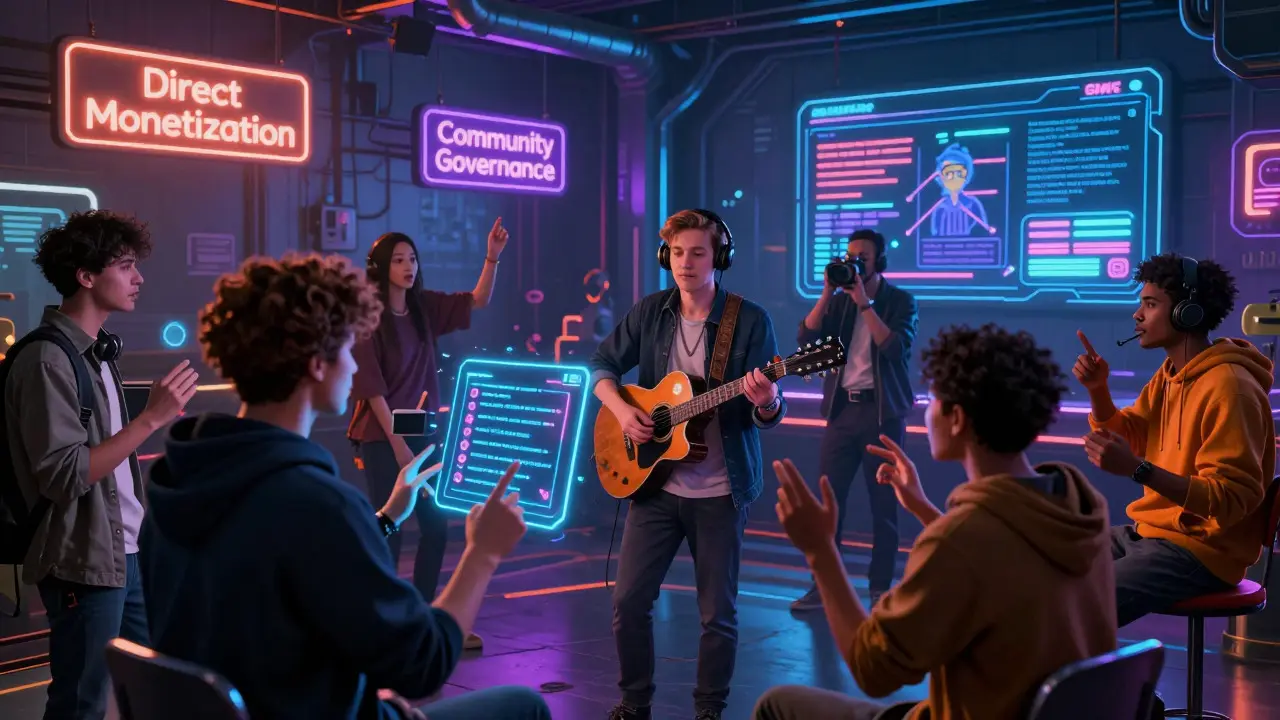
Creator Tokens are blockchain-based digital assets issued by content creators to monetize their work, reward loyalty, and decentralize community governance. They operate primarily on networks like Ethereum and Polygon, utilizing standards such as ERC-20 for fungible tokens or ERC-721 for non-fungible collectibles.The beauty lies in flexibility. A musician might use tokens to let fans vote on setlists. A writer could offer early access to chapters for token holders. A game developer might distribute governance rights to players who hold their token. The common thread? Ownership. When you hold a creator token, you aren’t just a consumer-you’re a stakeholder in that creator’s journey.
This differs significantly from traditional crowdfunding platforms like Patreon. On Patreon, if the creator leaves, your subscription ends. With tokens, your asset remains on the blockchain. You can sell it, trade it, or hold it indefinitely. That permanence changes the psychology of support entirely.
How Do These Models Work Technically?
To understand creator tokens, you need to look under the hood. Most rely on smart contracts-self-executing code stored on a blockchain. When a creator launches a token, they define its rules: supply limit, utility features, and distribution methods. Once deployed, those rules cannot be easily changed, ensuring transparency.
| Network | Consensus Mechanism | Average Transaction Cost (2026) | Speed | Best For |
|---|---|---|---|---|
| Ethereum (Layer 1) | Proof of Stake | $5-$20+ | 15 seconds | High-value NFTs, established brands |
| Polygon | Proof of Stake (Sidechain) | $0.01-$0.10 | 2 seconds | Micro-transactions, mass adoption |
| Solana | Proof of History / Proof of Stake | $0.001-$0.01 | 400ms | High-frequency interactions, gaming |
| Avalanche C-Chain | Proof of Stake | $0.10-$0.50 | 1 second | Enterprise-grade creator ecosystems |
For example, a popular podcaster might choose Polygon because gas fees are negligible. If they want to sell limited-edition audio clips as NFTs, Ethereum might make sense due to higher liquidity among collectors. The choice depends on audience size, transaction frequency, and cost sensitivity.
Smart contracts also enable automated royalties. Every time a secondary sale happens, a percentage automatically routes back to the creator. No lawyers needed. No middlemen taking cuts. Just code doing what it was told.
Types of Creator Token Models
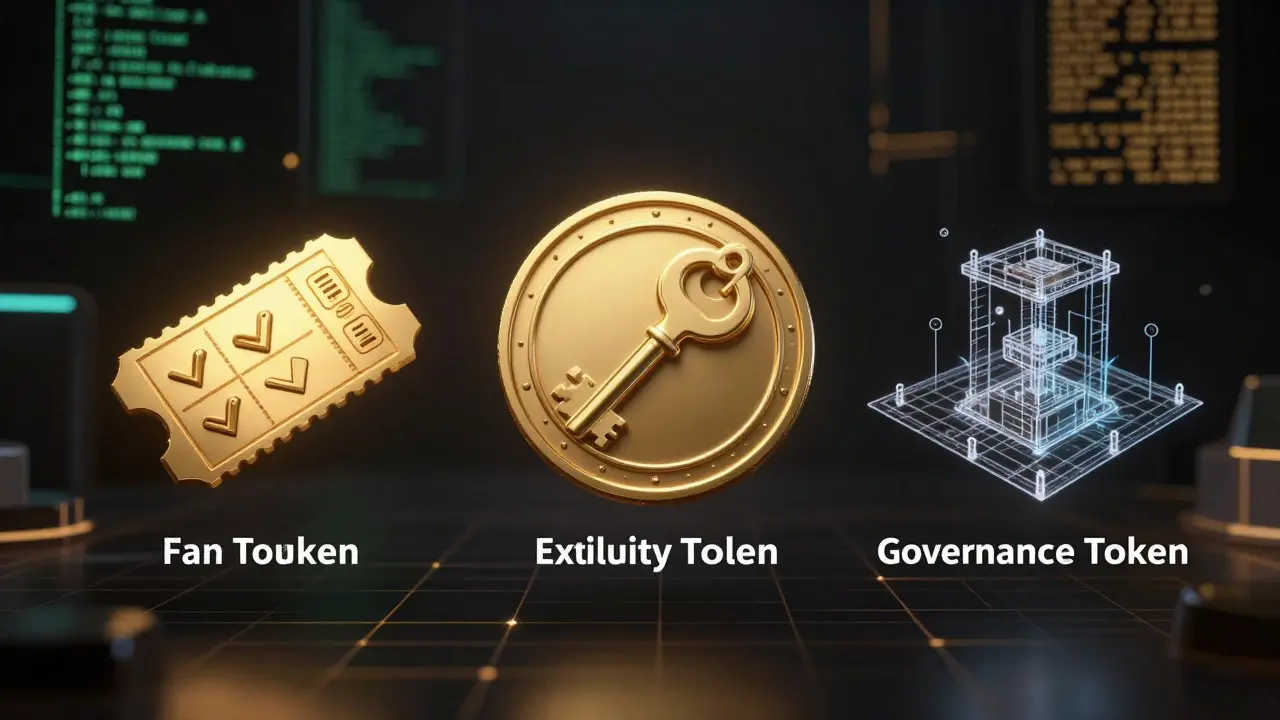
Not all creator tokens are built the same. Depending on the goal, creators adopt different structures. Here are the three most common models seen in practice:
- Fan Tokens: Designed for entertainment and sports figures. Holders get voting rights on minor decisions (like jersey designs or song selections), access to meet-and-greets, and discounts on merchandise. Platforms like Socios.com popularized this approach, though many creators now build custom solutions.
- Utility Tokens: Function as currency within a creator’s universe. Use them to buy courses, enter private Discord channels, or redeem physical goods. These often have capped supplies to prevent inflation and maintain perceived value.
- Governance Tokens: Give holders actual influence over creative direction. A novelist might let token holders decide which character survives the next chapter. A filmmaker could crowdsource plot twists. This turns passive audiences into active co-creators.
Each model serves a different purpose. Fan tokens drive engagement. Utility tokens drive revenue. Governance tokens drive innovation. Many successful creators combine two or more approaches to create layered experiences.
Real-World Examples That Worked
Let’s talk about real cases, not hypotheticals. In 2024, musician Grimes launched her own token, $GRIMES, allowing holders to vote on future album themes and receive AR filters exclusively. Within six months, she raised over $2 million directly from fans, retaining nearly 90% of proceeds compared to typical record label deals.
Another case: visual artist Beeple experimented with fractional ownership through his BEEF token. Instead of selling one expensive piece, he split ownership across thousands of holders. Each holder received a share of resale profits. It democratized high-end art collecting while providing recurring income for the artist.
Even journalists have jumped in. A investigative reporter in Brazil created a token-funded newsletter. Subscribers paid with tokens instead of credit cards, avoiding payment processor fees. He reinvested 10% of token sales into investigative grants, funded entirely by reader demand.
These examples show versatility. Whether you’re making music, writing code, or reporting news, there’s a token model that fits.
Risks and Challenges Creators Face
It’s not all smooth sailing. Creator tokens come with risks that both creators and buyers must navigate carefully.
First, volatility. Token prices fluctuate wildly based on hype, market sentiment, and broader crypto trends. A fan buying a token today might see its value drop tomorrow. Creators must communicate clearly whether their token has intrinsic value or is purely speculative.
Second, regulatory uncertainty. Governments worldwide are still figuring out how to classify these assets. In some jurisdictions, utility tokens may fall under securities laws if investors expect profit solely from others’ efforts. Creators should consult legal experts before launching anything resembling an investment product.
Third, technical complexity. Setting up wallets, managing private keys, and deploying smart contracts requires knowledge most artists don’t have. While no-code platforms exist, they often charge higher fees or limit customization. Balancing ease-of-use with functionality remains a challenge.
Finally, reputation risk. If a creator disappears after raising funds via tokens, trust erodes quickly. Transparency isn’t optional-it’s survival. Regular updates, audited treasury reports, and open communication keep communities engaged and skeptical eyes at bay.
Why This Matters Beyond Crypto Brokers
You don’t need to care about Bitcoin charts to appreciate creator tokens. What matters is autonomy. For decades, platforms dictated terms: algorithms decided visibility, payout schedules were delayed, cancellation policies favored corporations. Creator tokens flip that script.
They allow artists to build sustainable businesses outside algorithmic whims. They turn casual followers into invested partners. They create new forms of patronage rooted in mutual benefit rather than charity.
Consider education. A teacher creating online courses can issue tokens granting lifetime access plus voting rights on curriculum topics. Students become stakeholders, increasing completion rates and satisfaction. Consider local journalism. Reporters can fund investigations directly through community-backed tokens, reducing reliance on ads that prioritize clicks over truth.
This isn’t just about money. It’s about rebuilding relationships between creators and consumers on fairer grounds.
Getting Started: A Practical Guide
If you’re a creator thinking about issuing tokens, start simple. Don’t try to build a decentralized autonomous organization on day one. Follow these steps:
- Define Your Goal: Are you seeking funding? Engagement? Community input? Be specific. Vague goals lead to vague results.
- Choose Your Network: Pick a blockchain aligned with your budget and audience tech-savviness. Polygon works well for beginners. Ethereum suits premium offerings.
- Select a Platform: Tools like Mintable, OpenSea, or specialized services like Rally provide user-friendly interfaces for minting tokens without coding.
- Design Utility: What do holders actually get? Access? Discounts? Voting power? Make it tangible. Abstract promises lose credibility fast.
- Launch Small: Start with a limited supply. Test mechanics, gather feedback, iterate. Scaling too early leads to mistakes that hurt trust.
- Communicate Constantly: Post weekly updates. Share financials. Answer questions publicly. Trust grows through consistency, not perfection.
Remember, your first token doesn’t need to change the world. It just needs to prove concept. Success comes from learning, adapting, and serving your community honestly.
The Future Landscape
By mid-2026, we’re seeing maturation in the space. Early experiments gave way to refined systems. Regulatory clarity improved in major markets like the EU and Singapore. Interoperability increased-tokens now move seamlessly between platforms thanks to cross-chain bridges.
We’re also witnessing hybrid models emerge. Traditional subscriptions merge with token perks. A Netflix-style service offers free tier access, but token holders unlock director’s cuts, behind-the-scenes footage, and live Q&A sessions. Blending familiar UX with novel incentives accelerates adoption.
AI integration adds another layer. Some creators use AI agents to manage token economies automatically-adjusting rewards based on engagement metrics, predicting churn, optimizing pricing dynamically. Human creativity meets machine efficiency.
But the heart remains unchanged: connection. Technology enables scale, but authenticity drives loyalty. Creators who treat tokens as extensions of their relationship with fans-not extraction mechanisms-will thrive long-term.
Are creator tokens legal everywhere?
Legality varies by country. In the U.S., the SEC scrutinizes tokens offering profit expectations, potentially classifying them as securities. The EU’s MiCA regulation provides clearer frameworks for digital assets. Always consult local counsel before launching. Generally, pure utility tokens with no dividend-like returns face fewer hurdles.
Do I need coding skills to launch a creator token?
No. Platforms like Rally, Mirror, and Guild.xyz offer no-code interfaces for minting tokens and setting utilities. You’ll still need basic understanding of wallets and transactions, but programming isn’t required. Advanced customization may involve developers, but starting simple is wise.
How much does it cost to issue a creator token?
Costs depend on the blockchain. Deploying on Ethereum mainnet can cost hundreds of dollars in gas fees during peak times. Using Layer 2 solutions like Polygon or Arbitrum reduces costs to pennies. Additional expenses include domain registration, marketing, and possibly legal advice. Budget accordingly.
Can fans resell creator tokens freely?
Yes, unless restricted by smart contract design. Most standard ERC-20 tokens allow unrestricted transfers. However, some creators implement cooldown periods, transfer taxes, or whitelists to control secondary markets. Check the token’s documentation to understand trading rules.
What happens if a creator stops producing content?
Token value typically drops sharply without ongoing utility. Unlike stocks backed by corporate earnings, creator tokens derive worth from continued activity. Smart contracts can include vesting schedules or redemption options to mitigate sudden exits. Transparency about future plans helps preserve confidence.
Is there tax implication for holding creator tokens?
In many countries, yes. Buying tokens usually isn’t taxable, but selling them for profit triggers capital gains tax. Receiving tokens as payment for services counts as ordinary income. Consult a tax professional familiar with cryptocurrency regulations in your jurisdiction. Record keeping is essential.
How do creator tokens differ from NFTs?
NFTs (Non-Fungible Tokens) represent unique items-one-of-a-kind artworks or collectibles. Creator tokens are usually fungible (ERC-20), meaning each unit is identical and interchangeable. NFTs emphasize scarcity and uniqueness; creator tokens emphasize participation and utility. Both can coexist in the same ecosystem.
Which blockchain is best for beginner creators?
Polygon stands out for beginners due to low fees, fast transactions, and strong compatibility with existing tools. Solana offers speed but has steeper learning curves. Ethereum provides prestige and liquidity but demands higher upfront costs. Choose based on your audience’s familiarity and your budget constraints.