
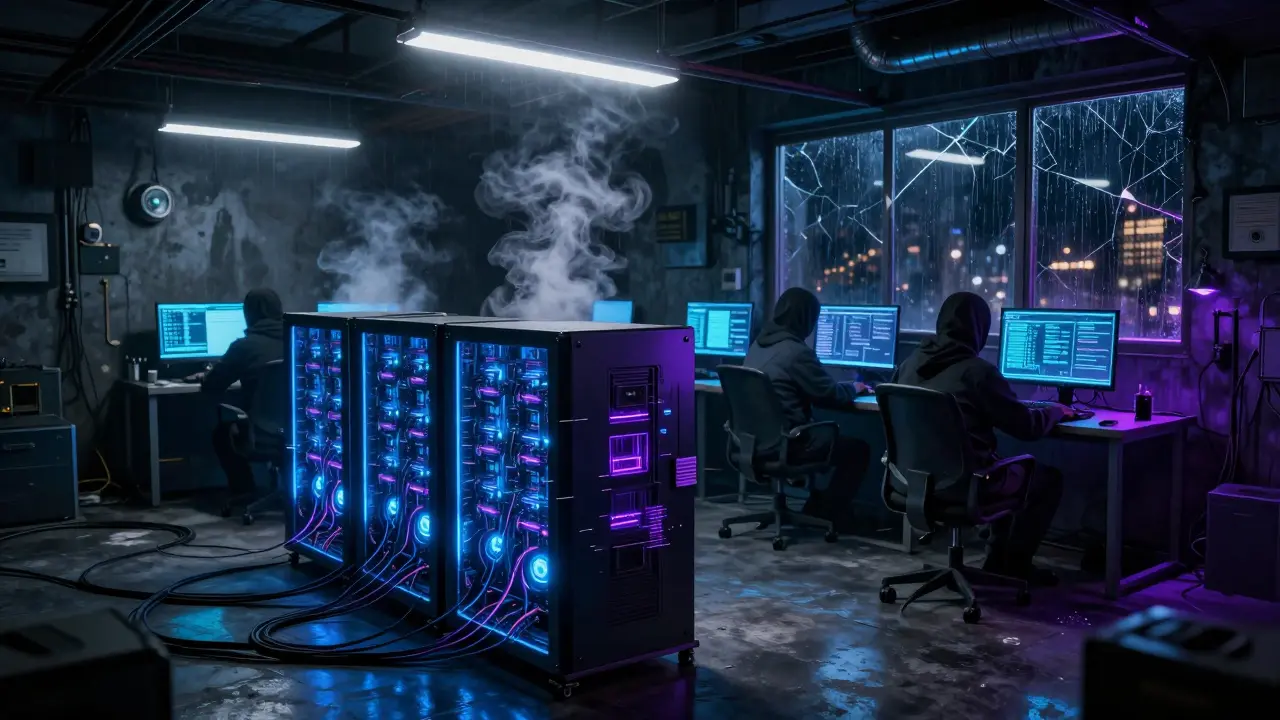
Back in 2017, Iraq made a bold move - it banned cryptocurrency mining and trading entirely. No exceptions. No gray areas. Just a flat-out prohibition from the Central Bank of Iraq the national monetary authority that regulates financial institutions and currency in Iraq. Since then, owning Bitcoin, Ethereum, or any other digital coin isn’t just risky - it’s illegal. And yet, people still do it. Quietly. In basements. In cafes. Behind locked doors.
Why Did Iraq Ban Crypto in the First Place?
The Central Bank of Iraq didn’t wake up one day and decide to outlaw Bitcoin because they disliked the technology. They had real concerns. The country’s economy was fragile. Banking infrastructure was outdated. And digital currencies, with their anonymous, decentralized nature, looked like a perfect tool for money laundering, tax evasion, and financial chaos. Their official statement in 2017 warned that cryptocurrencies were unregulated, untraceable, and untaxable. They feared that if people started using digital coins instead of the Iraqi dinar, it could destabilize the entire financial system. The bank also pointed to the high energy use of Bitcoin mining - something even global environmental groups like Greenpeace USA noted at the time. Iraq, already struggling with power shortages, didn’t need thousands of mining rigs sucking up electricity meant for homes and hospitals. The ban wasn’t just about money. It was about control. In a country where government institutions are still rebuilding after decades of conflict, allowing an unregulated financial system to grow was seen as too dangerous. So they shut it down - hard.Who’s Still Mining Crypto in Iraq Today?
Here’s the twist: the ban never worked. Despite the legal risk, crypto mining and trading never disappeared. They just went underground. In Baghdad, you’ll find people like Ahmed Crypto - a 33-year-old who still holds $10,000 worth of digital assets. He used to run his operation from an office. Now he manages trades through a private Facebook page. He’s careful. He doesn’t talk about it in public. He knows what happens if he’s caught. There are stories of at least two arrests linked to crypto activities, according to whispers in the local community. But legal experts like lawyer Hayan Al-Khayyat say they’ve never seen a formal trial for crypto trading. That gap between law and enforcement is huge. It means the ban is more of a threat than a rule. Miners and traders meet in quiet corners of cafes, speaking in hushed tones. Some use burner phones. Others route transactions through friends abroad. They’ve built an entire shadow economy - one that doesn’t show up on any government ledger.
How Does the Ban Affect Everyday Iraqis?
The ban doesn’t just hurt miners. It hurts everyone. Iraqis who want to send money to family overseas face long delays. Traditional banks are slow. Fees are high. And because crypto is banned, there’s no fast, cheap alternative like Bitcoin or USDT. Businesses that deal with international suppliers struggle. Payments get frozen. Contracts fall through. Some companies have had to close because they couldn’t get paid. The Anti-Money Laundering rules in Iraq are strict - so strict that even legitimate cross-border transfers get stuck in layers of paperwork. Meanwhile, countries like the U.S., Germany, and even Nigeria have found ways to regulate crypto without banning it. Iraq hasn’t. There’s also a generational divide. Young Iraqis, many of whom grew up online, see crypto as freedom - a way to bypass broken systems. Older officials, who remember hyperinflation and currency collapses, see it as a threat. That tension isn’t going away.How Does Iraq Compare to Other Countries?
Iraq isn’t alone. In 2025, only about ten countries have full crypto bans. China shut down mining in 2021. Egypt banned it for religious and economic reasons. Bangladesh criminalized possession. Russia has a patchwork of restrictions. And Bolivia? They lifted their ban in 2024. But Iraq’s ban is different. It’s not just about energy or religion. It’s about control. While China used force - shutting down data centers and cutting power - Iraq relies on fear. No raids. No crackdowns. Just silence and warnings. And unlike China, Iraq doesn’t have the tech infrastructure to monitor crypto effectively. That’s why enforcement is patchy. The government doesn’t know who’s mining. They don’t have the tools to track wallets. So they just say it’s illegal and hope people listen.
Jill McCollum
January 19, 2026 AT 02:42CHISOM UCHE
January 19, 2026 AT 09:31Josh V
January 20, 2026 AT 11:35myrna stovel
January 21, 2026 AT 16:26Pat G
January 23, 2026 AT 07:12Hannah Campbell
January 24, 2026 AT 10:13Stephen Gaskell
January 25, 2026 AT 23:29Haley Hebert
January 26, 2026 AT 14:00Bryan Muñoz
January 26, 2026 AT 15:10Rod Petrik
January 26, 2026 AT 16:59Ashlea Zirk
January 27, 2026 AT 19:28Alexandra Heller
January 28, 2026 AT 02:13Chris Evans
January 29, 2026 AT 15:23