
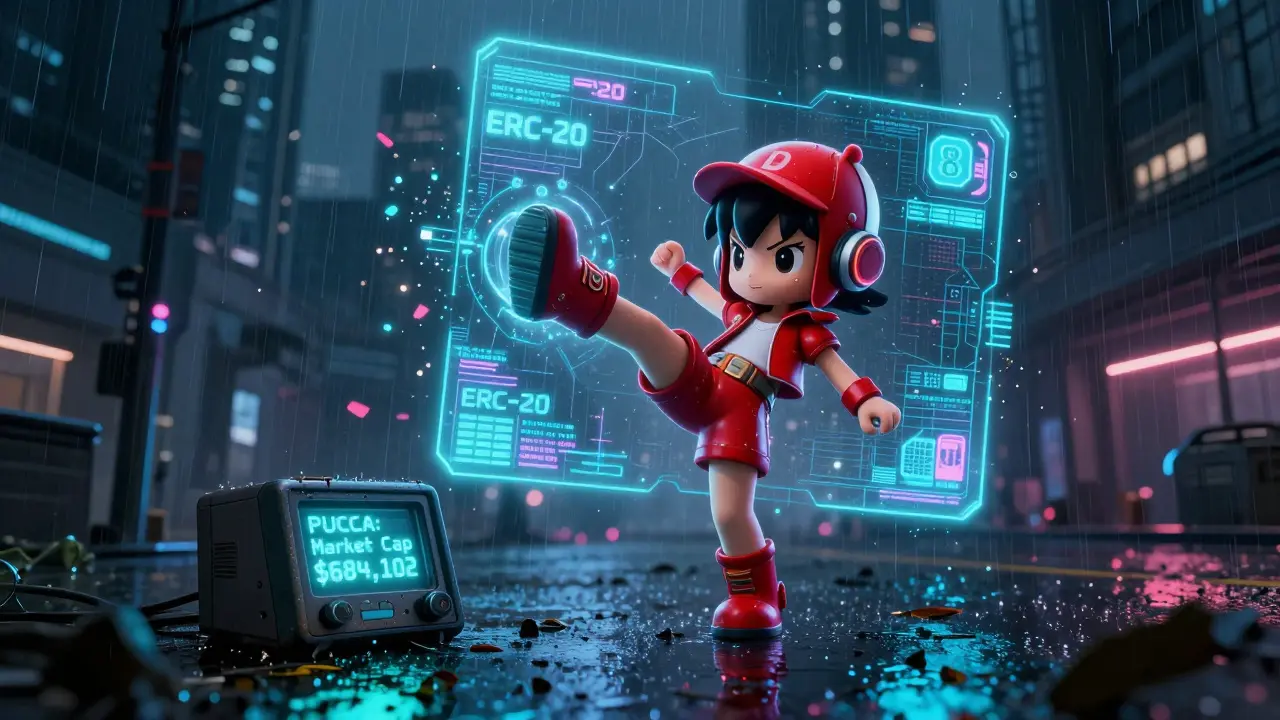
PUCCA is a licensed meme coin tied to the Pucca anime character, but it lacks utility, liquidity, and community support. With a market cap under $700K and no exchange listings, it's a high-risk speculative asset with little long-term value.
ERC-20 Token: What It Is, How It Works, and Why It Powers Most Crypto Projects
When you buy a crypto token like UNI, AAVE, or even a meme coin like SHIB, you’re almost certainly dealing with an ERC-20 token, a standardized digital asset built on the Ethereum blockchain that follows a set of rules for how it’s created, transferred, and tracked. Also known as Ethereum Request for Comment 20, it’s the most common way to launch a token without building a whole new blockchain from scratch. Think of it like a universal plug—any device that supports the standard can use it. That’s why thousands of projects, from DeFi apps to NFT marketplaces, rely on ERC-20 instead of reinventing the wheel.
What makes ERC-20 so powerful is its simplicity. It defines six basic functions: total supply, balance inquiry, transferring tokens, approving spending, and checking allowances. This means your wallet, exchange, or DeFi protocol doesn’t need to learn a new system for every new token—it just reads the same code. That’s why you can hold hundreds of different tokens in MetaMask or trade them on Uniswap without any extra setup. But this standard isn’t magic. It’s a contract. And like any contract, if the team behind the token doesn’t follow the rules—or worse, hides behind it—things can go wrong fast. That’s why so many posts here talk about tokens with no team, no whitepaper, or zero trading volume. They’re still ERC-20 tokens, but they’re not legitimate projects. They’re just code with no purpose.
ERC-20 tokens don’t exist in a vacuum. They rely on Ethereum, the blockchain network that handles transactions, enforces smart contracts, and pays for gas fees to operate. Without Ethereum’s security and global node network, an ERC-20 token is just a file on someone’s computer. That’s also why gas prices and Ethereum network congestion directly affect how fast and cheap your token transfers are. And because ERC-20 is built on smart contracts, self-executing code that runs automatically when conditions are met, the token’s behavior is fixed once deployed. No one can change the supply after launch unless the contract was built with a backdoor—which is a huge red flag.
So when you see a post about a token like NUUM, XMW, or ABSTER, you’re really seeing how ERC-20 is used—or abused. Some teams use it to build real tools. Others use it to create hype, dump tokens, and vanish. The standard doesn’t guarantee value. It just makes distribution easy. That’s why knowing the difference between a token with utility and one with zero backing matters more than ever. The posts below dig into real cases: failed airdrops, scams hiding behind fake ERC-20 tokens, exchanges that list them, and regulations that are starting to crack down on the worst offenders. You’ll see how compliance, liquidity, and transparency separate the few lasting projects from the endless wave of noise. This isn’t about tech jargon. It’s about protecting your money in a space where the rules are written in code, not law.
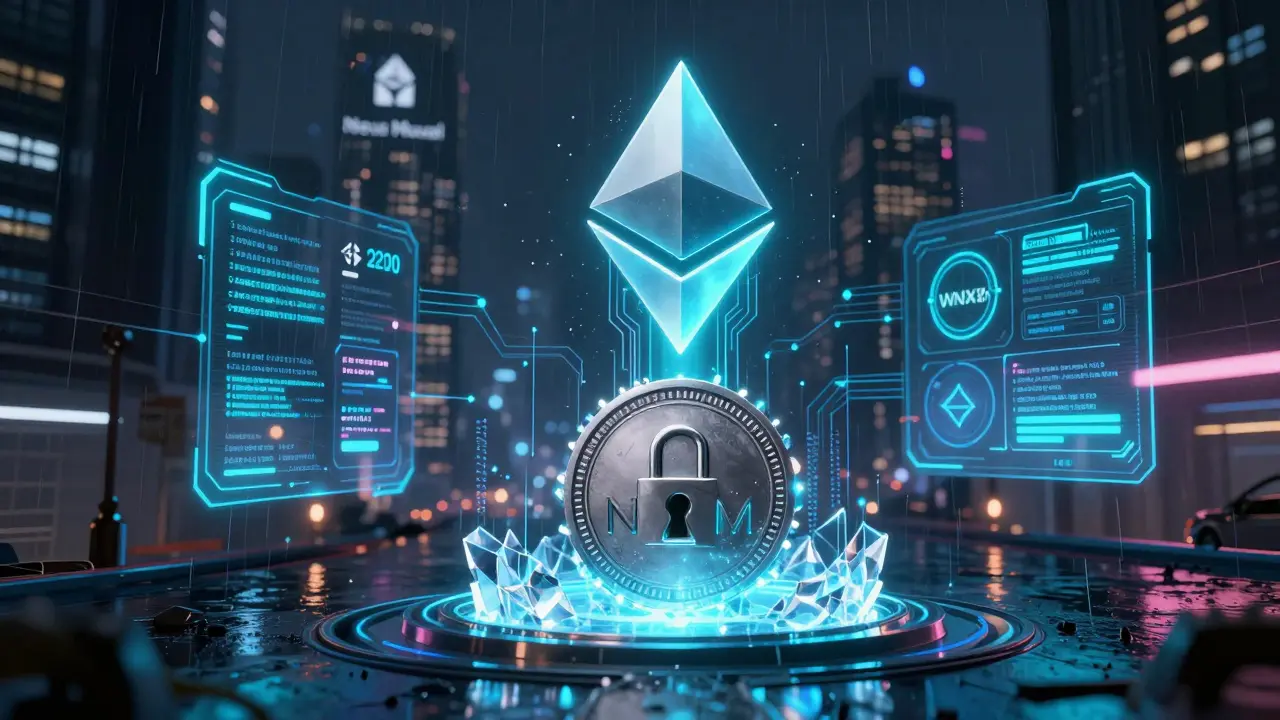
Wrapped NXM (WNXM) is an ERC-20 version of Nexus Mutual's NXM token, enabling DeFi users to use crypto insurance as collateral, earn yield, and trade it on decentralized exchanges without losing coverage. Learn how it works and why it matters.