

Imagine getting paid just for reading books. Sounds like a dream, right? That’s exactly what THE WORD TOKEN (TWD) promises. It’s not just another meme coin hoping for a viral moment; it’s built around a specific utility: promoting global reading culture through a Web3 ecosystem.
If you’ve stumbled upon TWD on your watchlist or heard whispers about its "read-to-earn" model, you’re probably wondering if this project has real legs or if it’s just hype. Let’s break down what THE WORD TOKEN actually is, how its economy works, and whether it makes sense for your portfolio in 2026.
The Core Concept: Read-to-Earn on Blockchain
At its heart, THE WORD TOKEN is a community-driven cryptocurrency designed to incentivize reading and publishing via blockchain technology. The project operates on the Binance Smart Chain (now known as BNB Chain), which keeps transaction fees low and speeds up interactions-crucial for a platform where users might buy or rent small digital items like e-books.
The team behind TWD, based in Nigeria and the UK, partnered with SMC DAO, a decentralized autonomous organization. This partnership isn’t just for show; it integrates TWD into a broader ecosystem that includes another token called WIKI CAT. Here’s how the cycle works:
- Readers use TWD to buy or rent digital books from the platform’s e-library.
- Writers and Publishers earn TWD when their work is purchased or rented.
- Top Performers get rewarded with BNB (Binance Coin) based on a leadership board ranking system.
- Investors can stake their TWD tokens to earn passive rewards in WIKI CAT.
This creates a closed loop. You need TWD to participate, writers need TWD to get paid, and holders need TWD to stake. It’s an attempt to solve the classic problem of crypto projects having no real-world utility beyond speculation.
Tokenomics: Supply, Burns, and Taxes
When evaluating any altcoin, the tokenomics tell you half the story. For THE WORD TOKEN, the numbers are structured to create scarcity over time, but they also come with costs you need to know about before trading.
The total supply is capped at 100 billion TWD tokens. However, not all of these are floating around in the market. Here is the breakdown according to data from CoinMarketCap and CoinGecko:
| Category | Percentage | Status |
|---|---|---|
| Holders | 33% | In circulation | Burnt | 31% | Permanently removed |
| Locked | 30% | To be burnt annually over 7 years |
| Liquidity | 6% | Locked via Pinksale |
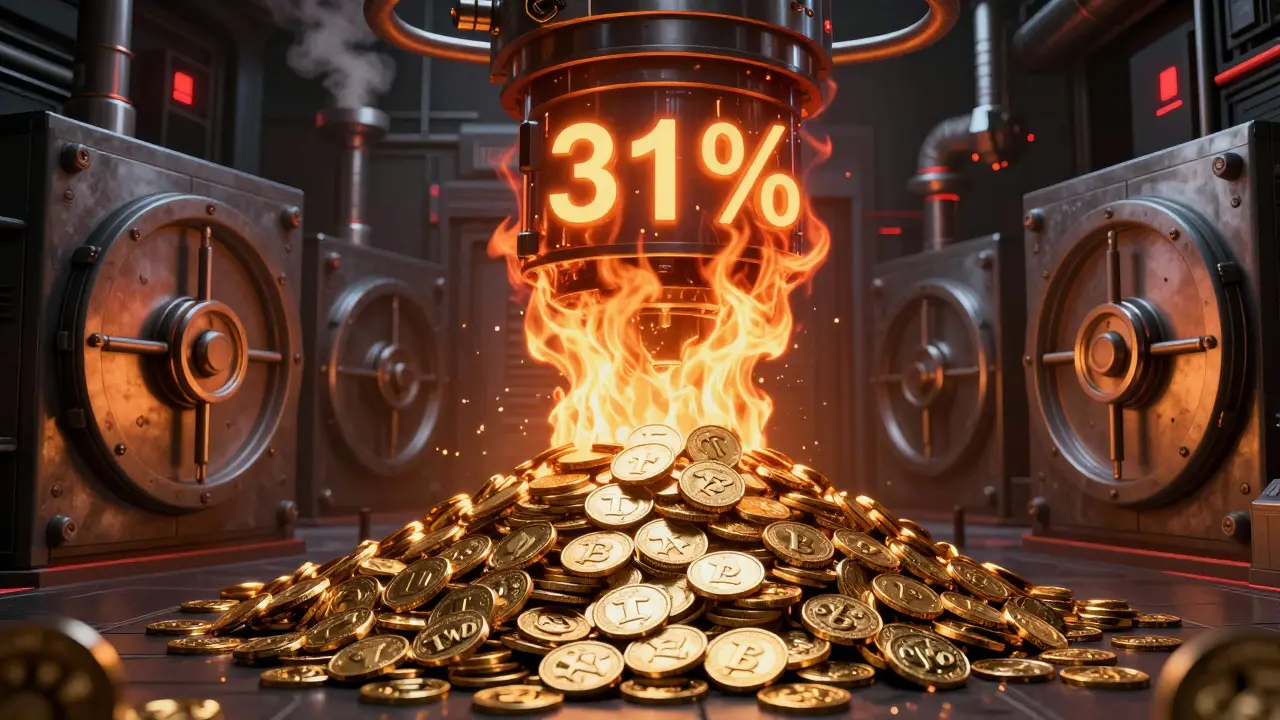
Notice that 31% was already burnt before the fair launch. Another 30% is locked with a plan to burn them yearly. This deflationary mechanism aims to reduce supply as demand potentially grows. Only about 40% of the total supply is actively circulating right now.
But there’s a catch: taxes. Every time you interact with the contract, a fee is deducted. The buy tax is 7%, and the sell tax is 6%. These fees likely go toward liquidity provision, marketing, or the reward pools mentioned earlier. While common in community coins, high taxes can eat into profits quickly if you’re day trading. Make sure you calculate these costs before entering a position.
Price Performance and Market Reality
Let’s talk numbers. Cryptocurrency prices are volatile, and TWD is no exception. As of mid-2026, the price data varies significantly across aggregators due to low liquidity and fragmented trading pairs.
Coinbase reported TWD trading around $0.00000154 USD, while other platforms like CoinGecko showed slightly higher figures near $0.0051 USD depending on the specific pair and exchange depth. This discrepancy highlights a key risk: slippage. Because the market cap is relatively small-ranging between $155,000 and $252,000 USD fully diluted-a large buy or sell order can drastically move the price.
The all-time high (ATH) was recorded on March 14, 2024, at approximately $0.00000428 USD. Since then, the token has experienced significant drawdowns, typical for early-stage projects. However, recent weekly trends have shown moments of recovery, with some reports indicating double-digit percentage gains over short periods. Remember, in micro-cap coins, a 50% drop can happen overnight, just as easily as a 50% pump.
Security and Contract Risks
Before you connect your wallet, you need to understand the security landscape. THE WORD TOKEN operates as a proxy contract on the BNB Chain. According to security audits by GoPlus, the contract owner retains certain administrative privileges. Specifically, the owner can disable sells or modify code parameters.
Wait, didn’t I say ownership was renounced? Yes, the project claims ownership has been transferred to the community, but the technical reality of a proxy contract means some backdoor controls might still exist unless formally upgraded to a completely immutable state. Always verify the latest audit reports on platforms like CertiK or Hacken if available, or rely on community-trusted tools like GoPlus Security.
Additionally, the liquidity pool is locked through Pinksale, which is a good sign. It prevents the developers from pulling all the funds out instantly (a "rug pull"). However, locked liquidity doesn’t protect you from smart contract bugs or malicious admin functions.
How to Buy and Trade TWD
You won’t find THE WORD TOKEN on major centralized exchanges like Binance or Coinbase Pro yet. In fact, Binance explicitly states TWD is not listed for trading on their platform. This means you’ll need to use a decentralized exchange (DEX).
- Get a Wallet: Download Trust Wallet or MetaMask. Ensure it supports the BNB Chain network.
- Buy BNB: Purchase Binance Coin (BNB) on a centralized exchange and send it to your wallet address.
- Connect to PancakeSwap: Navigate to PancakeSwap (v2), the most popular DEX for BEP20 tokens. Connect your wallet.
- Add TWD Token: Paste the official contract address:
0xf00cD9366A13e725AB6764EE6FC8Bd21dA22786e. Double-check this address against official Telegram channels to avoid scams. - Swap: Swap your BNB for TWD. Set your slippage tolerance to at least 8-10% to account for the 7% buy tax.
Always start with a small amount to test the process. Gas fees on BSC are low, but mistakes cost money.
Is TWD a Good Investment?
That depends on your risk appetite. THE WORD TOKEN occupies a niche space: read-to-earn. Unlike gaming tokens like Axie Infinity or fitness tokens like StepN, which achieved massive scale, TWD is still in its early adoption phase. Its market cap is under $250k, making it a high-risk, high-reward play.
Pros:
- Unique utility in the creator economy and education sector.
- Deflationary tokenomics with regular burns.
- Integration with SMC DAO adds potential cross-token value.
- Low liquidity leads to high volatility and slippage.
- Proxy contract risks require vigilant monitoring.
- No major CEX listings yet, limiting accessibility for average investors.
What is the contract address for THE WORD TOKEN?
The official BEP20 contract address for THE WORD TOKEN on the BNB Chain is 0xf00cD9366A13e725AB6764EE6FC8Bd21dA22786e. Always verify this address on official social media channels before trading.
Can I earn BNB by holding TWD?
Yes, but indirectly. Top-ranked readers and contributors on the platform’s leadership board receive monthly rewards in BNB. Additionally, staking TWD allows you to earn WIKI CAT tokens, which are part of the broader SMC DAO ecosystem.
Is THE WORD TOKEN listed on Binance?
No, THE WORD TOKEN is not currently listed on Binance for trading. It is primarily traded on decentralized exchanges like PancakeSwap. Be wary of fake listings or phishing sites claiming otherwise.
What are the buy and sell taxes for TWD?
The current tax structure is a 7% buy tax and a 6% sell tax. These fees are automatically deducted during transactions on the decentralized exchange to fund liquidity, marketing, and rewards.
How does the read-to-earn model work?
Users spend TWD to buy or rent e-books on the platform’s library. Writers earn TWD when their books are accessed. Active participants climb a leaderboard, with top performers receiving BNB rewards, creating an incentive to engage deeply with content rather than just hold the token.