
Imagine holding a digital asset that doesn't just sit in your wallet collecting dust but actually gives you a say in what color your favorite soccer team wears next season. That isn't a fantasy from a sci-fi novel; it's the current reality of fan engagement with social tokens. These blockchain-based assets are reshaping how we interact with creators, sports clubs, and brands, turning passive scrolling into active participation.
If you've ever felt like a mere spectator while watching your idol release new music or your team sign a new player, social tokens offer a way out of that spectator seat. They function as digital keys to exclusive communities, voting rights, and unique experiences. But how exactly do they work, and why are over 60% of Web3 communities now using them to gate content? Let's break down the mechanics, benefits, and real-world applications of this evolving trend.
What Exactly Are Social and Fan Tokens?
At their core, social tokens are digital assets created by individuals or organizations on a blockchain. Unlike traditional cryptocurrencies like Bitcoin, which serve primarily as stores of value or mediums of exchange, social tokens represent access to a specific community or brand. Their value is often tied directly to the popularity and activity of the creator behind them.
Fan tokens are a specialized subset of social tokens, predominantly used by sports teams and entertainment franchises. While social tokens might be issued by a YouTuber or a musician to reward superfans, fan tokens are designed specifically to deepen the bond between a club and its supporters. They aren't equity shares-you don't own part of the company-but they do grant utility within the ecosystem.
The technical backbone here is blockchain technology, which ensures transparency, scarcity, and security. Because these assets live on a public ledger, ownership is verifiable, and transactions are immutable. This differs sharply from traditional loyalty points, which can be revoked or devalued at any time by the issuing company without recourse for the user.
The Mechanics of Token-Based Engagement
How does a fan actually get involved? The process usually starts with acquisition. Fans can buy tokens through platforms like Socios.com or directly via crypto exchanges. But buying isn't the only path. Many programs allow users to earn tokens by attending games, purchasing merchandise, or engaging with content on social media. This gamification turns everyday support into tangible rewards.
Once you hold the token, the magic happens. Your wallet becomes a passport to exclusive perks. Here is a typical breakdown of what token holders gain:
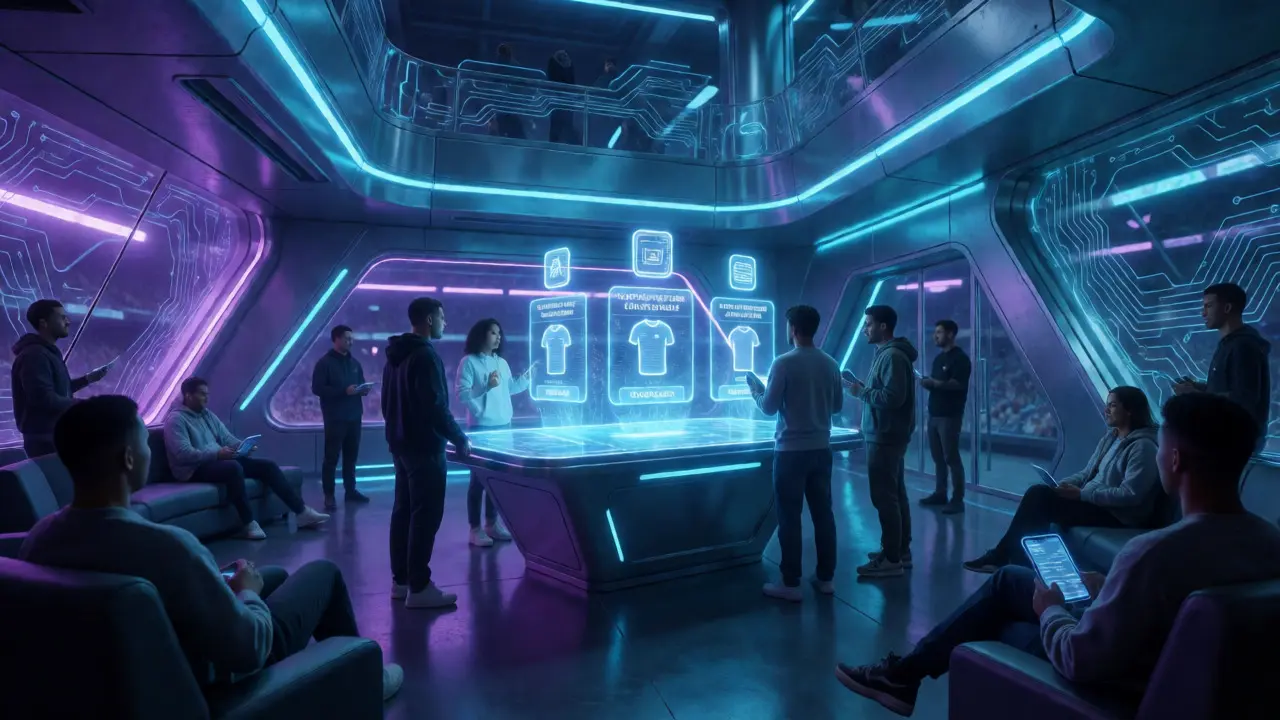
- Voting Rights: Participate in polls regarding minor club decisions, such as choosing jersey designs, selecting stadium entrance songs, or nominating charity partners.
- Exclusive Content: Access behind-the-scenes videos, insider blogs, and early releases that non-token holders miss out on.
- Priority Access: Get early bird tickets for matches or special events before the general public, plus discounts on official gear.
- Community Status: Join private Discord servers or fan-only channels where direct interaction with creators or other super-fans occurs.
This structure creates a feedback loop. As fans engage more, the community grows stronger, potentially driving up the demand for the token. It’s a dynamic marketplace where value reflects genuine enthusiasm rather than just speculative trading.
Beyond Sports: The Creator Economy Integration
While sports teams were early adopters, the concept has exploded across the creator economy. Musicians, fashion designers, and influencers are launching their own tokens to monetize their work directly, bypassing intermediaries like record labels or streaming platforms.
Consider a music artist who issues a token. Holders might vote on album artwork, receive limited edition NFTs, or even secure spots on virtual meet-and-greets. For fashion brands, a token could unlock private shopping events or early access to drop collections. This shift empowers creators to build sustainable revenue streams independent of algorithm changes on platforms like Instagram or TikTok.
The data supports this trend. Industry reports indicate that gated content and early access have become standard offerings for superfan segments. By leveraging tokens, creators transform casual followers into invested stakeholders who feel a sense of ownership in the creator's success.
Real-World Examples and Use Cases
To see this in action, look at major European football clubs. Teams like Paris Saint-Germain (PSG) and FC Barcelona have launched fan tokens that allow supporters to influence minor decisions. For instance, PSG fans voted on the design of their third kit, giving them a direct hand in shaping the club's visual identity. Similarly, Manchester City uses its token to offer exclusive experiences, including facility tours and interactions with players.
| Feature | Traditional Loyalty Points | Fan/Social Tokens |
|---|---|---|
| Ownership | Held by the company; revocable | Held by the user; transferable on blockchain |
| Utility | Discounts, free items | Voting rights, exclusive access, governance |
| Value Driver | Fixed corporate metrics | Community demand and creator popularity |
| Interoperability | Siloed within one brand | Tradable on secondary markets |
In the music industry, artists like Grimes have experimented with NFTs and tokens to sell digital art and music rights directly to fans. These examples highlight the versatility of the model-it’s not just about sports; it’s about any community where passion drives participation.
Challenges and Considerations
It’s not all smooth sailing. One significant hurdle is the learning curve. Understanding cryptocurrency mechanics-wallets, gas fees, private keys-can be daunting for the average fan. If the user experience isn't seamless, adoption stalls.
Volatility is another concern. Since token values fluctuate based on market sentiment, a fan might buy a token during a winning streak only to see its value drop after a losing game. This financial risk can sour the emotional connection if not managed properly. Additionally, regulatory landscapes vary globally, creating uncertainty around how these assets are taxed or classified in different jurisdictions.
Finally, there’s the question of sustainability. Will fans stay engaged once the novelty wears off? Successful projects focus on continuous value delivery, ensuring that tokens remain useful long-term tools rather than fleeting collectibles.
The Future of Digital Fandom
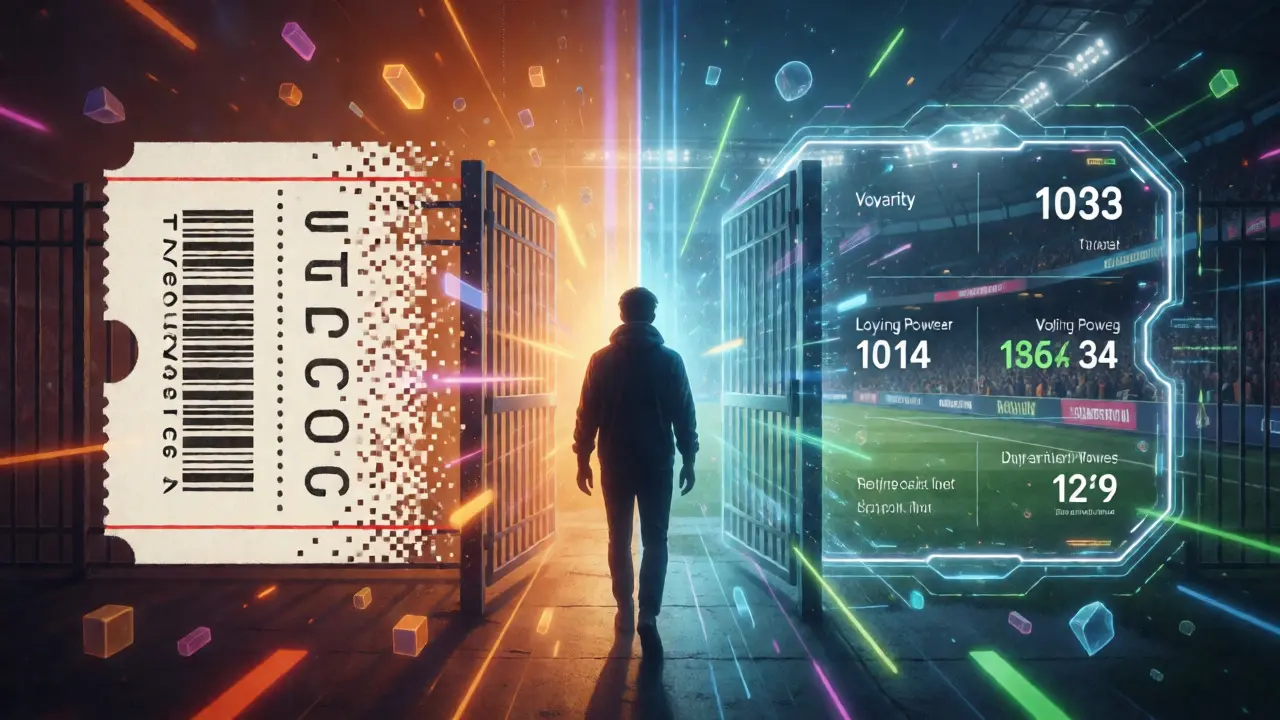
Looking ahead, we can expect deeper integration of tokens into daily life. Imagine a future where your fan token automatically unlocks augmented reality features when you enter a stadium, or where your voting power increases based on years of loyalty recorded on-chain. Platforms are already working on sophisticated governance mechanisms that allow for more complex decision-making processes.
The convergence of digital asset ownership with experiential rewards creates a sustainable community model. It moves beyond transactional relationships-buying a ticket, buying a shirt-to relational ones. As blockchain technology becomes more invisible and user-friendly, fan tokens will likely become a standard layer of interaction in entertainment and sports.
Do fan tokens give me ownership of the sports team?
No, fan tokens do not represent equity or shares in the club. You do not own a piece of the company. Instead, they provide utility, such as voting rights on minor decisions and access to exclusive experiences, acting more like a premium membership card than a stock certificate.
Can I trade my fan tokens for profit?
Yes, most fan tokens are traded on cryptocurrency exchanges. Their value can fluctuate based on the team's performance, news cycles, and overall market conditions. However, remember that they are highly volatile assets, so trading involves financial risk.
How do I buy social tokens?
You typically need a digital wallet and some cryptocurrency (like USDC or ETH). Platforms like Socios.com or Chiliz.net allow you to purchase tokens directly. Some creators also offer minting options via NFT marketplaces like OpenSea or Rarible.
Are social tokens safe?
The underlying blockchain technology is secure and transparent. However, safety also depends on the platform you use to buy and store the tokens. Always research the issuer, ensure you are using reputable exchanges, and keep your private keys secure to prevent loss or theft.
What happens if the creator stops supporting the token?
If a creator abandons the project, the token may lose its utility and value. Since tokens are often centralized in their management, the longevity of the asset depends heavily on the ongoing commitment of the issuer to maintain the community and deliver promised perks.
liam & the bees
September 2, 2026 AT 01:00As someone who has been deep in the crypto and community building space for a while, I have to say this is one of the most balanced takes on fan tokens I've seen. It's easy to get lost in the hype or the hate, but you've nailed the core utility aspect here.
The distinction between equity and utility is crucial because so many new investors misunderstand it. They buy a PSG token thinking they own a slice of the club, then panic sell when the price dips after a bad match. The real value isn't in speculation; it's in that sense of belonging and the actual voting rights on things like jersey designs or stadium anthems.
I've seen communities fall apart because creators treated tokens as just another cash grab without delivering ongoing value. But when done right, like with some of the music artists mentioned, it creates a feedback loop where the fans feel genuinely invested in the success of the creator. It’s not just about holding an asset; it’s about participating in a shared narrative.
For anyone looking to dip their toes in, start small. Don't go all in expecting a moonshot. Treat it like a membership card that happens to be tradable. If you enjoy the perks and the community interaction, the financial aspect becomes secondary. That mindset shift is what separates sustainable projects from pump-and-dumps.
Edward Ogunfolaju
September 4, 2026 AT 00:40Stop overthinking it! Just buy the token and engage!
People are scared of wallets and gas fees but it’s literally easier than setting up a Netflix account now. You miss out on everything if you wait for perfect conditions. The market moves fast, and those who hesitate lose the early access perks.
Get involved NOW before the next big drop!
Liam Grimes
September 5, 2026 AT 20:24yeah its pretty cool but i think u guys underestimate how hard it is for normal folks to understand private keys
i tried explaining it to my mate last week and he nearly threw his phone out the window trying to figure out why his wallet was empty after sending eth to the wrong address. its a huge barrier to entry honestly.
if they dont make it seamless like apple pay no way we gonna see mass adoption anytime soon
Matthew O'Neill
September 7, 2026 AT 16:34This entire premise is fundamentally flawed due to a misunderstanding of basic economic principles regarding non-fungible liquidity.
You claim these assets represent 'access,' yet you ignore the inherent volatility introduced by speculative trading volumes which decouple utility from valuation. When a token is traded on secondary markets, its price action is driven by momentum traders rather than genuine community engagement metrics.
Furthermore, the regulatory ambiguity surrounding whether these constitute securities under the Howey Test renders this entire ecosystem precarious at best. Investors are essentially gambling on centralized entities' ability to maintain relevance, which contradicts the decentralized ethos of blockchain technology itself.
The comparison to traditional loyalty points is intellectually lazy because it ignores the friction costs associated with blockchain transactions versus instant corporate database updates. Until there is a standardized legal framework, this remains a niche experiment for risk-tolerant speculators, not a transformative tool for fandom.
Ashwin Bhandurge
September 9, 2026 AT 02:14There is something profoundly beautiful about shifting the power dynamic from the corporation to the collective consciousness of the fanbase.
We are moving away from passive consumption toward active co-creation. This isn't just about finance; it's about identity and belonging in a digital age. When a fan votes on a jersey color, they aren't just clicking a button; they are asserting their presence in the cultural narrative of the team.
Think about the psychological impact of ownership. Even if it's symbolic, the feeling of having a stake changes your relationship with the object of your affection. It transforms you from a spectator into a stakeholder.
The challenges you mention are valid, but every technological revolution faces friction. The printing press didn't immediately fix literacy rates, but it changed the world. Similarly, blockchain will smooth out its UX issues over time. What matters is the direction: towards empowerment and decentralization.
Let us remain optimistic about the potential for these tools to deepen human connection, even through digital interfaces. We are building new forms of community that transcend geographical boundaries.
Matt Reckdenwald
September 10, 2026 AT 10:12I hear the frustration in the comments about complexity, and it’s totally valid.
It feels overwhelming when you’re used to just swiping a credit card. But imagine the emotional payoff when you actually use that token to unlock a behind-the-scenes video that your friend hasn’t seen yet. It creates this little secret language among superfans.
I’m not saying it’s for everyone, and definitely not for people who need stability in their finances. But for those of us who love being part of the inner circle, it’s thrilling. It’s like getting a backstage pass that also happens to be a tradable asset.
Let’s give it time to mature. The tech is rough around the edges, but the heart of it-community-is pure gold.
Emmanuel Ogbomo
September 10, 2026 AT 10:46Interesting read.
It seems like we are trying to solve a social problem (engagement) with a technical solution (blockchain). Sometimes, simple gamification works better than complex tokens.
But I suppose if the token holds real value outside the platform, it might stick. Otherwise, it’s just another point system with extra steps.
Melanie Armijo
September 11, 2026 AT 00:07It’s fascinating how we are redefining what it means to 'own' something in the digital realm.
Ownership used to mean physical possession. Now it means cryptographic proof of access. It’s a philosophical shift as much as a technological one.
We are creating economies based on attention and affinity. In a way, our passion becomes currency. That’s both empowering and slightly terrifying.
Are we buying into the dream, or is the dream buying us?
Laine Van Sickle
September 11, 2026 AT 23:02honestly this whole thing seems like too much work for a t-shirt discount.
why cant companies just give me free stuff if im loyal? i dont want to learn about blockchains just to vote on a logo.
its probably going to crash anyway and i dont wanna deal with the stress.
Nadia Christian
September 13, 2026 AT 12:41This is exactly what America needs!!!
We should lead the charge on this!!! Imagine American football teams using this!!! We could dominate the global sports market!!!
Don't let other countries take the lead!!! Let's embrace this innovation!!! It’s patriotic to support new tech!!! Go USA!!!