
Imagine waking up one morning to find that the money in your pocket buys half of what it bought yesterday. For millions of people in Venezuela, this isn't a hypothetical nightmare; it is their daily reality. With annual inflation hitting 229% as of May 2025 and the local currency, the bolívar, losing over 70% of its value in just six months, traditional banking has become a trap. In this environment, cryptocurrency has stopped being a speculative investment for tech enthusiasts. It has become a vital survival tool.
In Venezuela, digital assets are not about getting rich quick. They are about buying groceries, paying rent, and keeping savings from evaporating overnight. This shift represents one of the most significant real-world experiments in decentralized finance ever seen. Let's look at how ordinary citizens are navigating this crisis using blockchain technology, peer-to-peer networks, and stablecoins.
The Collapse of Trust in Traditional Currency
To understand why crypto adoption in Venezuela is so high, you first have to understand the failure of the official monetary system. Under President Nicolás Maduro’s tenure, the economy has suffered what economists call "one of the worst economic meltdowns outside a war zone." The government attempted to control prices and exchange rates, but the result was a black market for dollars and a complete loss of faith in the bolívar.
Today, three distinct dollar exchange rates operate simultaneously in Caracas:
- The Official Rate: Set by the Central Bank of Venezuela (BCV), this rate is largely ignored by the public because it does not reflect reality.
- The Parallel Market Rate: Known locally as the "dólar negro," this is the street price for physical US dollars.
- The P2P Crypto Rate: The rate used on platforms like Binance, where users trade bolivars for digital tokens. This is increasingly the benchmark for pricing goods and services.
When receipts in Caracas start displaying totals in "Binance Dollars" instead of bolivars, you know the transition is complete. Merchants no longer trust the local currency to hold value between the time they buy inventory and the time they sell it. They need a store of value that doesn't shrink every hour.
Why Stablecoins Rule the Streets
If you walk into a small business in Venezuela, you won't see a sign advertising Bitcoin payments primarily for the sake of decentralization ideology. You will see them accepting USDT (Tether). Why? Because Bitcoin is volatile. If you earn your salary in BTC and its price drops 10% before you buy bread, you've lost income. Stablecoins, which are pegged to the US dollar, offer stability without the volatility.
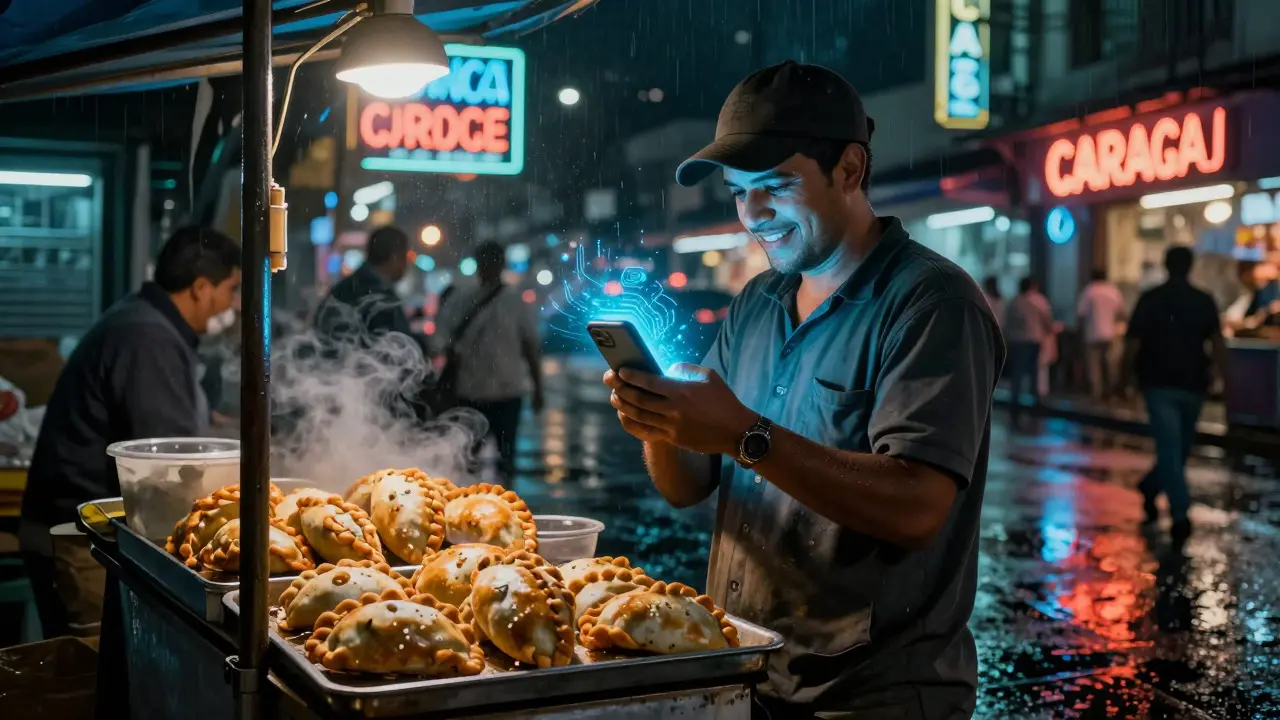
USDT dominates the landscape, specifically when transferred via the TRC-20 network (Tron). This choice is purely practical. Ethereum transactions can be slow and expensive due to gas fees. Tron offers near-instant transfers with fractions of a cent in fees. For a street vendor selling empanadas or a family sending remittances, saving $0.01 per transaction adds up significantly.
| Method | Speed | Cost | Risk Factor |
|---|---|---|---|
| Bolívar (Fiat) | Instant | Low | High (Inflation devalues funds daily) |
| Physical USD Cash | Instant | Medium (Transport/Security risks) | Medium (Counterfeit bills, theft) |
| Bitcoin (BTC) | 10-60 mins | Variable | High (Price volatility) |
| USDT (TRC-20) | < 2 mins | Very Low (~$0.01) | Low (Stable value, counterparty risk) |
The private sector recorded $119 million in cryptocurrency transactions in July 2025 alone. This isn't just individuals trading; it's businesses integrating crypto into their accounting systems. Universities, tech startups, and informal markets have all adapted. The learning curve is steep-taking 2-3 weeks for basic competency-but community knowledge sharing accelerates the process. Neighbors teach neighbors how to secure private keys and navigate apps.

The Infrastructure of Survival: P2P Platforms
Since many Venezuelan banks restrict foreign currency transactions or suffer from technical failures, citizens rely on Peer-to-Peer (P2P) trading platforms. Binance is the undisputed leader here, often referred to colloquially as the source of "Binance Dollars." LocalBitcoins also plays a role, though Binance's liquidity and user base make it the default choice.
Here is how a typical transaction works:
- A merchant receives payment in bolivars from a customer who doesn't have crypto.
- The merchant logs into the Binance P2P platform.
- They find a buyer offering USDT for bolivars at the current market rate.
- The buyer transfers bolivars to the merchant's bank account.
- Once confirmed, the escrow releases the USDT to the merchant's wallet.
This process bypasses the central bank entirely. It allows merchants to instantly convert depreciating fiat currency into stable digital assets. However, it comes with challenges. Internet connectivity issues and power grid instability can interrupt transactions. Users must remain vigilant about security, as phishing scams targeting inexperienced traders are common. Despite these hurdles, the alternative-watching savings vanish-is worse.
Remittances: Sending Money Home Without Borders
One of the biggest drivers of crypto adoption is the diaspora. In 2023, remittances to Venezuela totaled $5.4 billion. Traditionally, sending money home involved Western Union, bank wires, or carrying cash across borders-all of which carry high fees, delays, and bureaucratic friction.
Cryptocurrency changes this dynamic. Approximately 9% of 2023 remittances were processed through crypto channels. For a worker in Miami or Madrid, sending USDT to a family member in Caracas takes minutes and costs less than a dollar. The recipient can then use those funds immediately for daily expenses or sell them for local currency if needed.
This efficiency has made crypto an essential lifeline for families separated by migration. It reduces the dependency on traditional financial intermediaries that are often subject to sanctions or capital controls. The speed of settlement means that emergencies can be addressed in real-time, rather than waiting days for bank processing.

Risks and Realities: It's Not a Perfect Solution
While crypto provides tactical relief, experts warn it cannot fix structural economic problems. Political instability, mismanagement, and international sanctions continue to plague the country. Relying on centralized stablecoins like USDT introduces new risks. Tether, the company behind USDT, operates under U.S. jurisdiction. If geopolitical tensions rise, there is always a theoretical risk of frozen accounts or delisting, although this has not yet happened on a mass scale in Venezuela.
Furthermore, the government's stance remains ambiguous. The state-backed Petro cryptocurrency, launched in 2018, failed due to lack of trust and was discontinued in 2024. Today, the government tolerates dollar-backed crypto usage in exchanges but occasionally cracks down on mining operations. This regulatory uncertainty keeps users on edge. They must stay informed about policy shifts that could affect their ability to trade.
Technical literacy is another barrier. While basic smartphone operation is sufficient for simple transfers, managing private keys and avoiding scams requires education. Many users rely on social media groups and messaging apps to coordinate trades and verify trustworthy counterparters. This informal network serves as both a marketplace and a support system.
The Future of Digital Finance in Venezuela
Venezuela ranks 13th globally in cryptocurrency adoption according to Chainalysis data. This ranking reflects a necessity-driven market rather than a tech-forward one. Unlike Brazil, where institutional players are acquiring Bitcoin for long-term treasury strategy, Venezuela's adoption is grassroots and survivalist.
Looking ahead, the trend toward blockchain-based dollarization appears irreversible. Confidence in the traditional monetary system has collapsed completely. Even if political conditions change, the habit of using stablecoins for value preservation is likely to persist. As infrastructure improves and user education increases, we may see more sophisticated DeFi (Decentralized Finance) applications emerge, allowing users to earn yield on their idle stablecoins.
For now, however, the focus remains on basics: preserving purchasing power, facilitating daily transactions, and connecting with family abroad. Crypto has given Venezuelans a degree of financial autonomy they never had before. It is a tool of resilience in the face of systemic failure.
Is it legal to use cryptocurrency in Venezuela?
Yes, it is currently legal. While the government has not officially legalized full dollarization, it tolerates the use of dollar-backed cryptocurrencies in exchanges and for personal transactions. However, regulations can shift, so users should stay updated on local laws.
Which cryptocurrency is best for daily transactions in Venezuela?
USDT (Tether) on the TRC-20 network is the most popular choice. It offers stability similar to the US dollar while maintaining low transaction fees and fast transfer speeds, making it ideal for everyday purchases and remittances.
How do Venezuelans buy crypto without a bank account?
Many users utilize Peer-to-Peer (P2P) platforms like Binance. These platforms allow users to trade directly with each other. Payments can sometimes be made via cash meetups, prepaid cards, or mobile money services, bypassing traditional banking restrictions.
What are the risks of using stablecoins in Venezuela?
The main risks include counterparty risk (if the issuer freezes assets), internet connectivity issues disrupting transactions, and potential regulatory crackdowns. Additionally, users must manage their own security to prevent hacking or phishing attacks.
Can I send money to Venezuela using Bitcoin?
Yes, you can send Bitcoin, but it is less common for daily remittances due to price volatility. Recipients usually prefer stablecoins like USDT to ensure the value received matches the value sent. If sending BTC, recipients typically convert it quickly to avoid market fluctuations.
Ethan Yuwono
August 2, 2026 AT 20:09the idea that people are forced to learn blockchain just to buy bread is heavy. it changes the definition of financial literacy from a skill to a survival tactic. most of us take stable currency for granted.
Jack Delasquez
August 4, 2026 AT 14:58this is amazing stuff! i never thought about how gas fees on eth would kill a small vendor but tron makes sense totally. great read guys keep it up!!
Harman Singh
August 6, 2026 AT 13:52so basically they are slaves to tether now isnt it? nice job making them dependent on a us company instead of their own govt. what a disaster. why do you even care about these poor people?
SUBHAM CHOUDHURY
August 8, 2026 AT 10:10you can see the resilience in every line here. it is inspiring to see communities helping each other navigate this tech curve so quickly. stay strong everyone out there dealing with this.
Joy Kwant
August 10, 2026 AT 01:04i bet they miss having real money dont they? probably crying into their phones waiting for a transfer. pathetic really. at least we have stability back home unlike these chaotic zones.
amy miranda
August 10, 2026 AT 08:20It is absolutely tragic that an entire nation has been reduced to treating digital tokens as mere grocery coupons. The sheer audacity of centralized banks failing so spectacularly while crypto steps in as a band-aid is infuriating. One must question the moral fabric of a society where buying empanadas requires understanding TRC-20 networks. It is not innovation; it is desperation dressed up as technological progress. The world watches and does nothing. How utterly shameful.
Pernelia Wahkan
August 12, 2026 AT 02:50the mechanics of p2p trading here are fascinatingly brutal yet efficient. you have merchants acting as decentralized exchanges essentially. it is a wild ecosystem born from necessity rather than choice. the shift from bolivar to binance dollars in receipts is a stark visual of economic collapse.
Subhash Kashyap Dm
August 12, 2026 AT 18:25its all a psyop by the west to destabilize sovereign nations further. tether is controlled by the fed indirectly through regulatory pressure. they want you hooked on the chain so they can freeze your assets whenever they want. wake up sheeple. the central bank failure was manufactured to push this narrative.
Billy Cunningham
August 12, 2026 AT 23:18trc20 is definitely the way to go for speed. saves pennies which matters when you are broke. 👍💸
Ed Wallace
August 13, 2026 AT 13:57there is a profound irony in using technology meant to liberate finance merely to survive daily inflation. it feels like watching a species adapt to a toxic environment. the community aspect of teaching neighbors about private keys is beautiful though. human connection persists even when currency fails.
Joshua Hofford
August 14, 2026 AT 22:14look at the bright side folks. venezuela is leading the charge in real world adoption. maybe the rest of the world will follow suit and realize fiat is flawed. its a tough path but they are paving the way for a more resilient global economy eventually.
Marcia Albert
August 15, 2026 AT 03:44it is wild how normalized this has become. one day you pay in cash next day you need a wallet address. the learning curve is steep but the alternative is starvation. pretty grim picture overall.
Emma Smith
August 16, 2026 AT 03:55decentralized finance is actually just another form of control if you think about it deeply. who controls the validators? who audits tether? it is all smoke and mirrors. the masses are being tricked into thinking they are free when they are just moving from one cage to another digital cage.
Ed Mitchell
August 17, 2026 AT 07:34THE GOVERNMENT IS LYING ABOUT THE INFLATION RATES TO HIDE THE CRIME. THEY WANT YOU TO USE CRYPTO SO THEY CAN TRACK EVERY TRANSACTION VIA THE BLOCKCHAIN. IT IS A SURVEILLANCE STATE DREAM. DO NOT FALL FOR THE PROPAGANDA. THE PETRO WAS A FAILURE BECAUSE THEY KNEW IT WOULD BE. STAY ALERT CITIZENS.
Michael Mostyn
August 18, 2026 AT 07:33one must consider the structural implications of such a rapid shift. the erosion of trust in state institutions is total. once that happens the return to traditional banking is nearly impossible regardless of political changes. the habit of dollarization via crypto is entrenched now.
Erica Johnson
August 18, 2026 AT 16:58obviously bitcoin is too volatile for groceries lol. anyone saying otherwise doesnt understand basic economics. usdt is the only logical choice for daily use. stop overcomplicating it.
Ken G
August 19, 2026 AT 17:38its sad really. these people should be enjoying life not stressing over exchange rates. but no they chose chaos. now they get what they deserve. the elites knew this would happen but let it slide because it benefits the banks abroad. simple truth.