

Have you seen ads for the Muda Crypto Exchange is a platform often marketed through social media ads promising high returns but lacking verifiable regulatory status or user reviews? If you are looking for a review of this specific platform, you might be feeling confused. There is almost no credible information about it on the internet. No major financial news sites cover it. No legitimate tech blogs have reviewed its interface. And certainly, there are no independent user testimonials on trusted forums.
This silence is not an accident. In the world of cryptocurrency, if a platform cannot find its way into public search results with real data, it is usually because it does not exist as a functional trading venue-or worse, it is a facade designed to take your money. This article cuts through the noise to explain what "Muda" actually refers to in the blockchain space, why you should avoid platforms that look like scams, and how to spot a safe exchange before you deposit a single cent.
What Is Muda? The Confusion Between Liquidity and Exchanges
The name "Muda" appears in the crypto industry primarily as MUDA Liquidity Rail is a backend infrastructure service that provides liquidity solutions for other platforms rather than serving retail traders directly. A quick check of their privacy policy, dated November 2025, confirms they focus on security measures and data handling. However, a liquidity rail is not a place where you can buy Bitcoin or Ethereum.
Think of it this way: a liquidity provider is like the wholesale supplier behind a grocery store. They move products around so the shelves stay full. You do not go to the warehouse to buy milk; you go to the supermarket. Similarly, MUDA Liquidity Rail supports other systems. It is not a consumer-facing exchange. If you are being asked to create an account, deposit funds, or trade tokens on a site claiming to be "Muda Exchange," you are likely interacting with a fraudulent entity impersonating this infrastructure brand.
This distinction is critical. Legitimate infrastructure companies do not solicit deposits from individual investors via Instagram ads or Telegram groups. When a brand name associated with backend technology is used to market a retail trading platform without clear branding or regulatory disclosures, it is a massive red flag.
Red Flags: How to Spot a Fake Crypto Platform
If you are considering using a platform called Muda, or any similar obscure exchange, you need to run a diagnostic check. Scammers rely on urgency and confusion. Here are the concrete signs that a platform is not legitimate:
- No Regulatory Presence: Check if the exchange is registered with financial authorities like the SEC (USA), FCA (UK), or ASIC (Australia). If you cannot find their license number on the regulator’s official website, assume they are unregulated.
- Vague Team Information: Legitimate exchanges list their founders and executives with LinkedIn profiles. Scam sites use stock photos or names that lead nowhere when searched online.
- Unrealistic Promises: If the platform guarantees daily profits or offers bonuses that seem too good to be true, they are. No legitimate business gives away free money just for signing up.
- Poor Web Presence: As noted, there are no independent reviews of Muda as an exchange. Search for "Muda exchange scam" or "Muda exchange Reddit." If the only results are paid articles or the site itself, walk away.
In 2023, hackers stole $2.38 billion worth of cryptocurrency according to Krayon Digital. While much of this was due to technical breaches, a significant portion involved users depositing funds into fake platforms that simply disappeared. Protecting yourself starts with verifying the entity exists.
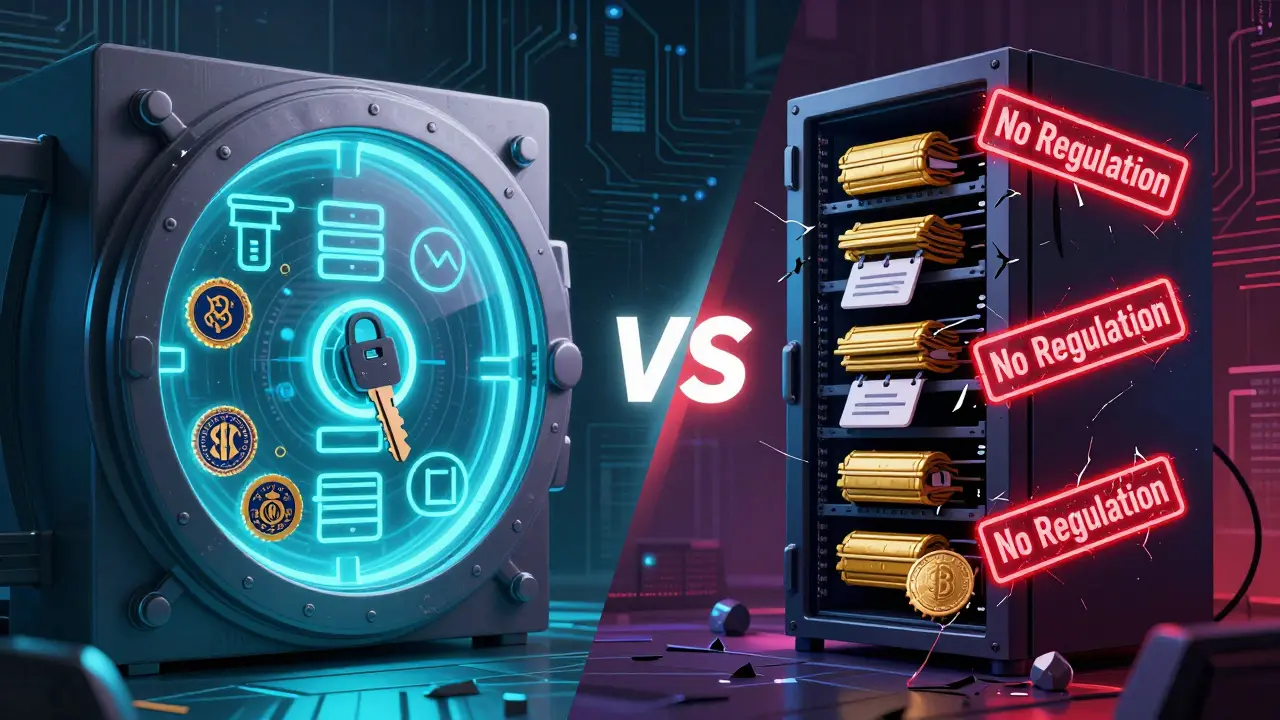
The Importance of Security Standards in Legitimate Exchanges
To understand why Muda lacks credibility, compare it to the security standards expected of reputable exchanges. A trustworthy platform invests heavily in protecting your assets. According to industry best practices, these protections include:
| Feature | Legitimate Exchange (e.g., Coinbase, Kraken) | Suspicious Platform (e.g., Unverified "Muda") |
|---|---|---|
| Cold Storage | Stores 95-98% of funds offline in multi-signature wallets. | Often keeps all funds in hot wallets or has no transparent proof of reserves. |
| Multi-Factor Authentication (MFA) | Requires hardware keys or authenticator apps; 56% of users utilize MFA per Beyond Identity. | May offer weak SMS verification or none at all. |
| Regulatory Compliance | Undergoes regular audits and adheres to KYC/AML laws. | Lacks clear legal entity details or ignores KYC requirements initially. |
| Transparency | Publishes proof-of-reserves and audit reports. | Hides ownership structure and operational history. |
For instance, Nadcab Labs emphasizes that encryption is the bedrock of security. Legitimate exchanges use HTTPS with SSL/TLS protocols to encrypt data during transfer. They also implement withdrawal whitelisting, which allows you to pre-approve trusted wallet addresses. If a platform does not offer these basic safeguards, it is not ready to handle your money.

Why You Should Avoid Unverified Platforms
The risk of using an unverified exchange like the purported Muda Crypto Exchange is total loss. Unlike a bank, there is no FDIC insurance for your crypto deposits. If the platform disappears, takes your deposit, and refuses withdrawals, you have no recourse. This is known as a "rug pull" or a Ponzi scheme variant.
Scammers often use sophisticated websites that look professional. They may even provide fake chart data showing your balance growing. However, when you try to withdraw, they will ask for more fees, taxes, or "verification" payments. Once you pay, they block your account. This pattern is well-documented by cybersecurity firms and consumer protection agencies worldwide.
Furthermore, the lack of community feedback is telling. In the crypto world, reputation is everything. Platforms like Binance, Coinbase, and Kraken have millions of users discussing them on Twitter, Reddit, and Trustpilot. If a platform has zero organic discussion, it means no one is successfully using it-or everyone who tried lost their money and moved on in silence.
Safe Alternatives for Trading Cryptocurrency
Instead of risking your capital on an unknown entity, consider established exchanges that have proven track records. These platforms undergo rigorous security audits and comply with international regulations.
- Coinbase: Ideal for beginners in the US and Europe. Publicly traded company with strong regulatory compliance.
- Kraken: Known for robust security and a wide range of altcoins. Offers advanced trading tools for experienced users.
- Binance: The largest exchange by volume globally. Offers deep liquidity and low fees, though regulatory scrutiny varies by region.
- CoinSpot: A popular choice for Australian users, offering local support and AUD deposits.
These platforms provide the transparency and security features mentioned earlier. They allow you to trade with confidence, knowing that your assets are protected by cold storage and insured against certain types of theft.
How to Verify Any Crypto Exchange Before Signing Up
Before you trust any new platform, follow this checklist:
- Check Domain Age: Use a WHOIS lookup tool. If the domain was registered recently (e.g., less than a year ago), be cautious. Established businesses have older domains.
- Search for Independent Reviews: Look for reviews on sites like Trustpilot, Reddit, or specialized crypto forums. Ignore reviews hosted on the exchange’s own website.
- Verify Regulatory Status: Visit the website of your country’s financial regulator. Search for the exchange’s name. If they are not listed, do not deposit funds.
- Test Customer Support: Send a query to their support team. Legitimate exchanges respond within hours. Scams often use bots or ignore messages.
- Start Small: If you must try a new platform, deposit the smallest amount possible. Try to withdraw it immediately. If the withdrawal fails or is delayed indefinitely, stop.
By following these steps, you can protect yourself from falling victim to fraud. Remember, if something feels off, it probably is. The crypto market is volatile enough without adding the risk of platform insolvency or theft.
Is Muda Crypto Exchange a scam?
There is no evidence of a legitimate retail exchange named "Muda Crypto Exchange." The term likely refers to MUDA Liquidity Rail, a backend infrastructure service. Platforms using the Muda name for retail trading are likely scams or unauthorized entities. Avoid depositing funds into such platforms.
What is MUDA Liquidity Rail?
MUDA Liquidity Rail is a B2B service that provides liquidity solutions for other financial platforms. It is not a consumer-facing exchange where individuals can buy or sell cryptocurrency. It operates behind the scenes to facilitate transactions for other services.
How can I tell if a crypto exchange is safe?
A safe exchange will be regulated by recognized financial authorities, have a long operational history, publish proof-of-reserves, and have numerous independent user reviews. It should also offer strong security features like cold storage and multi-factor authentication.
Are there any legitimate reviews for Muda Exchange?
No, there are no credible independent reviews for a "Muda Exchange" because it does not appear to exist as a legitimate retail trading platform. Any positive reviews found are likely fabricated or part of a marketing campaign for a fraudulent scheme.
What should I do if I already deposited money into Muda?
If you have deposited funds, attempt to withdraw them immediately. If you encounter issues, contact your bank or payment provider to dispute the transaction. Report the incident to your local financial crime unit and consider seeking legal advice. Do not send additional funds to "unlock" your account.