
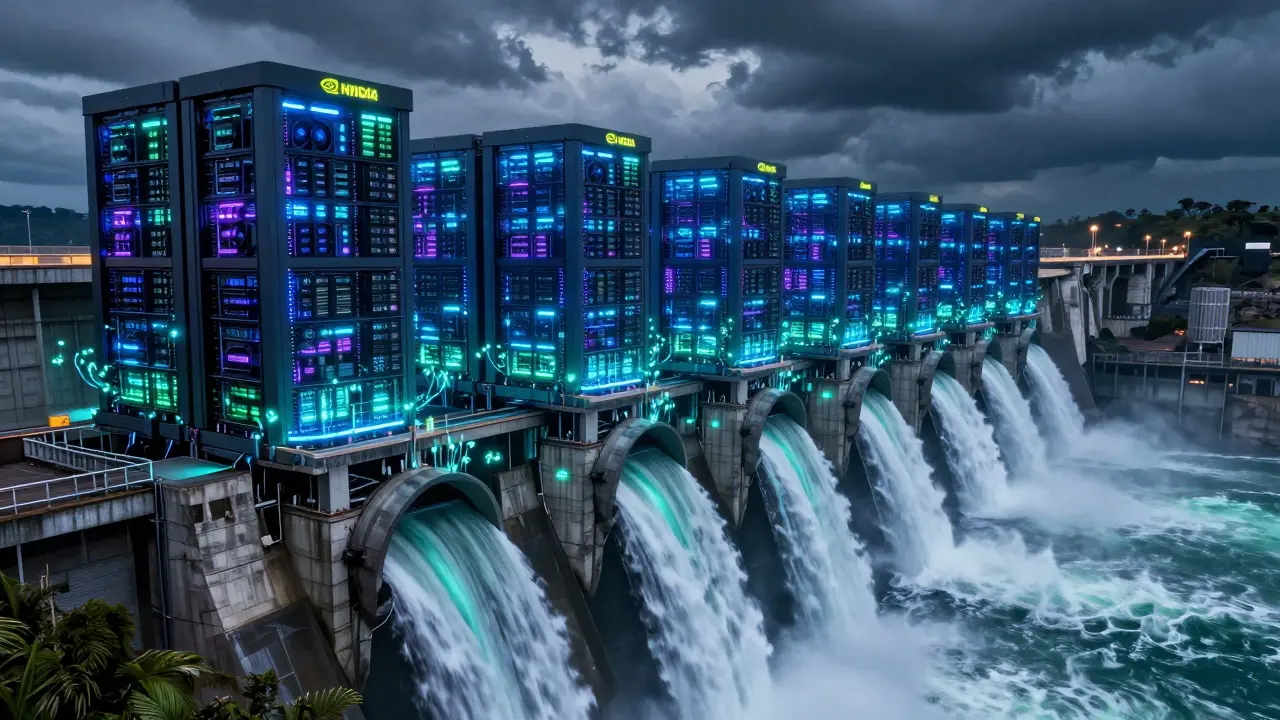
Morphware (XMW) is a crypto coin powering a decentralized AI computing network that uses renewable energy to train AI models and mine Bitcoin simultaneously. Unlike most crypto projects, it generates real revenue from enterprise services.
Sustainable Mining: How Crypto Is Cutting Its Energy Footprint
When we talk about sustainable mining, the practice of running cryptocurrency networks with minimal environmental impact using renewable energy and efficient hardware. Also known as green cryptocurrency mining, it’s no longer just a buzzword—it’s becoming a requirement. Back in 2021, Bitcoin’s energy use made headlines for matching small countries. But since then, things have shifted. Miners aren’t just chasing cheap electricity anymore—they’re chasing clean electricity. And it’s working.
Take Kosovo, for example. After a power crisis forced a mining ban in 2022, the country didn’t just shut it down. It rewrote the rules: mining is only legal if you use private, renewable power. That’s not a punishment—it’s a model. Other regions are following. In Texas, miners are tapping into excess wind energy that would otherwise be wasted. In Sweden, hydroelectric dams power entire mining farms. Even the EU’s MiCA regulation now indirectly pushes miners toward cleaner sources by tying licensing to environmental reporting. renewable energy mining, the use of solar, wind, hydro, or geothermal power to operate cryptocurrency mining hardware isn’t a niche anymore. It’s becoming the standard for any project that wants to survive regulation and public trust.
And it’s not just about power sources. blockchain sustainability, the broader effort to reduce the environmental footprint of distributed ledger technologies through energy efficiency, hardware innovation, and network design includes how coins are built. Proof-of-Stake networks like Ethereum use 99.95% less energy than old Proof-of-Work systems. Even some Bitcoin miners now use energy recovery systems to turn heat into usable power for greenhouses or buildings. This isn’t theory. It’s happening. And the posts below show you exactly where—whether it’s countries changing laws, exchanges refusing to list high-energy coins, or miners switching to solar in rural areas. You’ll see what’s real, what’s marketing, and what’s actually moving the needle on crypto’s carbon problem.