
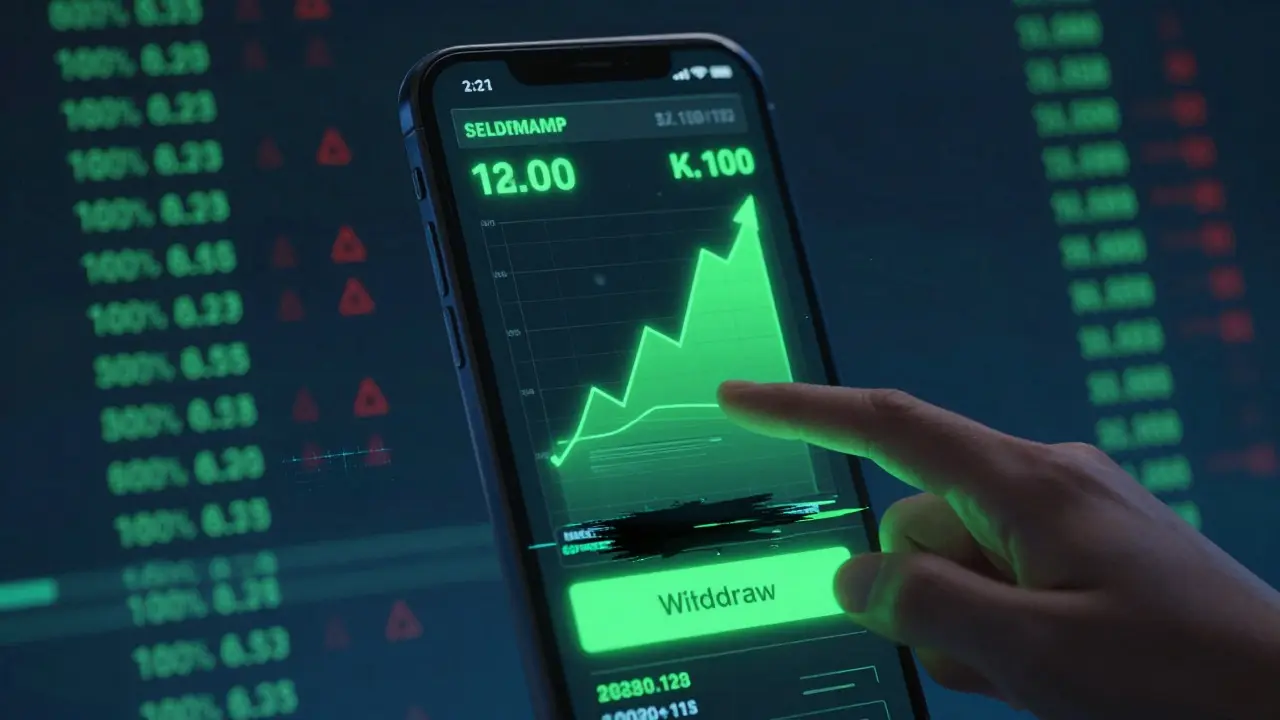
Imagine logging into a new crypto platform, seeing your balance skyrocket with 'guaranteed' returns, and then trying to withdraw just to hit a wall of impossible fees. If you have been hearing about Valueex, this might sound familiar. It is not a glitch; it is the design. Based on extensive investigations from early 2025 through mid-2026, Valueex is widely recognized as a fraudulent operation. It does not trade real cryptocurrency. Instead, it uses cloned interfaces to trick users into depositing funds that are nearly impossible to recover.
If you are reading this because someone sent you a link, or if you are already stuck inside the platform, pay close attention. This review breaks down exactly how the scheme works, why experts flag it as a scam, and what steps you can take right now to protect yourself or attempt recovery.
The Reality Behind Valueex: A Cloned Interface
At first glance, Valueex presents itself as a modern cryptocurrency exchange offering spot trading, futures, and automated investment tools. The dashboard looks professional. The charts move. The numbers go up. But here is the catch: none of it is real. Forensic examinations by firms like Enverra Capital revealed that Valueex’s backend consists of simple PHP scripts with no actual connection to blockchain networks. When you think you are buying Bitcoin or Ethereum, you are just moving fake numbers around on a screen controlled by the scammers.
This technique is known as interface cloning. Valueex mimics the look and feel of legitimate giants like Binance and Coinbase. They copy the layout, the color schemes, and even the terminology. However, unlike regulated exchanges that hold licenses from authorities like the Financial Conduct Authority (FCA) or the New York Department of Financial Services (NYDFS), Valueex has zero regulatory oversight. There is no physical address, no public founding team, and no corporate registration. You are trusting your money to ghosts.
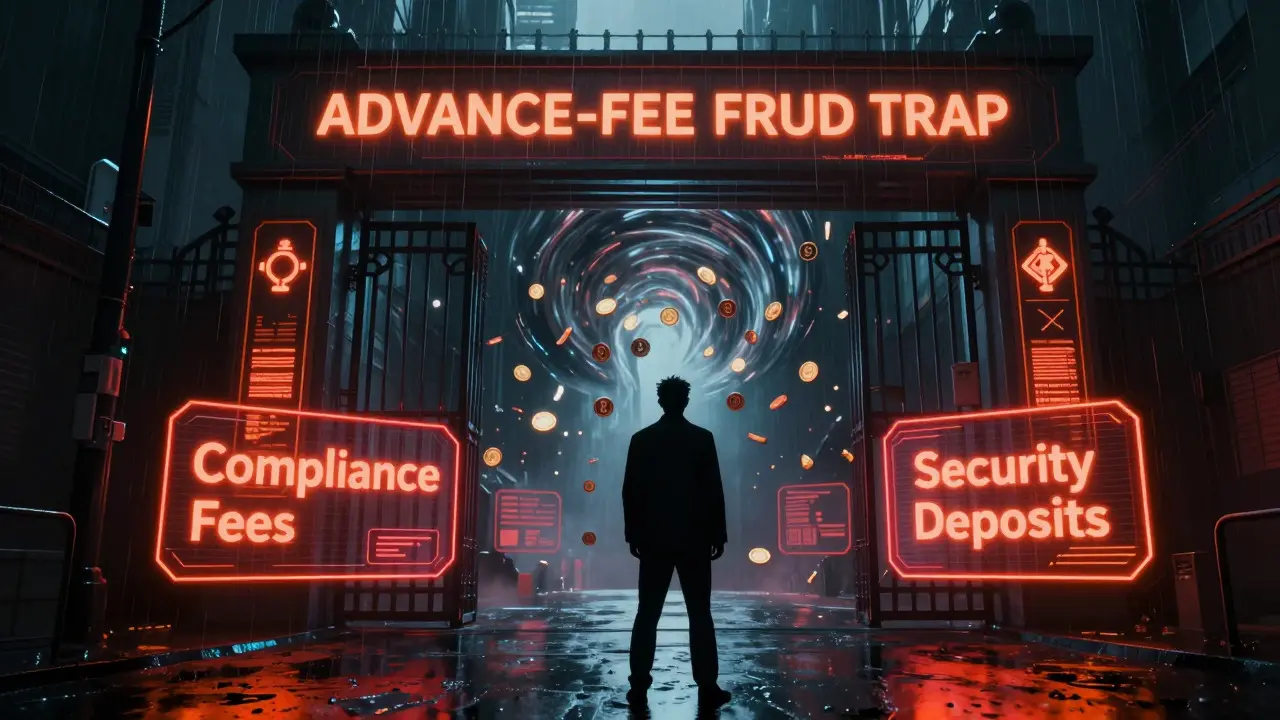
How the Advance-Fee Fraud Trap Works
The core mechanism behind Valueex is an advance-fee fraud scheme. Here is the typical playbook these operators use:
- The Lure: You are invited via social media (often Facebook groups or Telegram channels) to join a 'beta test' or get exclusive access to high-yield trading bots. Promises of 15% monthly returns or 200x leverage are common hooks.
- The Small Win: To build trust, they let you make a small withdrawal initially. Maybe you put in $500 and successfully withdraw $550. This psychological win makes you believe the platform is legitimate.
- The Big Deposit: Encouraged by the initial success, you deposit a larger amount-perhaps $5,000 or $10,000. The dashboard shows massive profits.
- The Block: When you try to withdraw your large sum, the button stops working. Suddenly, your account is 'flagged for suspicious activity.'
- The Extortion: Support agents (who are likely script-readers) tell you that to release your funds, you must pay a 'compliance fee,' 'tax clearance,' or 'security deposit.' These fees often range from 35% to 45% of your account balance.
Here is the hard truth: paying these fees never works. Once you pay, they invent another reason. As noted by the Federal Trade Commission (FTC), platforms like Valueex do not return funds through normal channels. The goal is to squeeze every last dollar out before disappearing.
Red Flags That Confirm the Scam
You don't need to be a cybersecurity expert to spot the warning signs. By mid-2026, several critical indicators had firmly established Valueex's reputation as a threat:
- No Regulatory License: Legitimate exchanges display their license numbers prominently. Valueex claims compliance but lacks verification from any major body like the SEC, ASIC, or FCA. In fact, the FCA issued a formal warning against Valueex in December 2025.
- Fake SSL Certificates: While the site may show a padlock icon, technical audits revealed manipulated security certificates designed to look official without providing real encryption standards.
- Aggressive Withdrawal Tactics: User reports on Trustpilot and Reddit consistently mention sudden 'verification requirements' only after large deposits. A user named u/CryptoVictim2025 reported losing $42,500 after being pressured to pay additional 'processing fees.'
- Cloned Code: Investigators found that Valueex shares identical frontend code with other known scams like CryptoElitePro and BitMaxGlobal. This suggests a syndicated operation rather than an independent business.
| Feature | Valueex | Legitimate Exchanges (e.g., Coinbase, Binance) |
|---|---|---|
| Regulatory Status | Unregulated / Warning Lists | Licensed (FCA, NYDFS, ASIC, etc.) |
| Blockchain Integration | None (Fake Frontend) | Real-time on-chain transactions |
| Withdrawal Process | Blocked by fabricated fees | Standard KYC/AML checks |
| Guaranteed Returns | Yes (Scam Indicator) | No (Market-dependent) |
| Corporate Transparency | Anonymous / Hidden | Public Team & Address |
User Experiences and Victim Reports
Data paints a grim picture. According to the International Financial Fraud Bureau (IFFB), Valueex was among the top 10 most reported crypto scams of 2025, with over 1,800 verified victim reports. On Trustpilot, the platform holds a dismal 1.2 out of 5 stars. Nearly 92% of reviews mention issues with withdrawals.
Consider the case of Maria K. from Berlin, documented by InvestorWarnings.com. After depositing €38,200, her account was locked. Support claimed she needed to pay €7,600 in 'compliance processing' to unlock it. She paid, only to be told more was needed. Eventually, the platform became inaccessible. Stories like hers are not anomalies; they are the standard outcome.
The demographic targeted is specific: middle-income investors aged 35-55 with some basic knowledge of crypto but perhaps less experience with advanced security protocols. Scammers exploit the desire for passive income during volatile market periods. They use social proof-fake testimonials and manipulated volume displays-to create a false sense of community and trust.
What To Do If You Are Already Involved
If you have deposited funds into Valueex, time is critical. The longer you wait, the harder recovery becomes. Here is a step-by-step guide based on advice from financial crime investigators:
- Stop Depositing Immediately: Do not pay any 'fees,' 'taxes,' or 'deposits' to unlock your funds. These payments will vanish instantly. The FTC explicitly warns that recovery through the platform itself is impossible.
- Contact Your Bank or Card Issuer: If you funded the account via credit card or bank transfer, call them immediately. Explain that you were defrauded by an unlicensed entity. Ask about chargeback options or transaction reversals. Act fast, as windows for disputes are short.
- Secure Your Digital Footprint: Change passwords for any email accounts used to sign up. Enable two-factor authentication (2FA) on those accounts. Scammers often harvest personal data during the signup process.
- Report the Crime: File a report with your local consumer protection agency. In the US, use the FTC IdentityTheft.gov portal. In Australia, contact the Australian Competition and Consumer Commission (ACCC). In Europe, report to your national financial authority. Providing evidence helps law enforcement track the syndicate.
- Check Blockchain Explorers: If you sent cryptocurrency directly (like BTC or ETH), note the transaction hash. While crypto transactions are irreversible, sharing this data with specialized recovery services or police can sometimes help freeze assets if they land in a known exchange wallet.

How to Spot Fake Exchanges in the Future
Protecting yourself starts with skepticism. The crypto space is full of opportunities, but also predators. Use this checklist before trusting any new platform:
- Verify Regulatory Licenses: Go directly to the regulator's website (e.g., FCA register, SEC EDGAR database) and search for the company name. Don't trust links provided on the exchange's own site.
- Beware of Guaranteed Returns: No legitimate investment guarantees profit. Markets fluctuate. If a platform promises fixed monthly returns, it is likely a Ponzi scheme or advance-fee fraud.
- Check Domain Age: Use tools like WHOIS to check when the domain was registered. Scam sites often appear recently or change domains frequently to avoid takedowns. Valueex, for instance, migrated to new domains like valueex-trade.com in early 2026.
- Read Independent Reviews: Look beyond the site's homepage. Check Reddit, Trustpilot, and specialized crypto forums. Look for patterns in complaints, especially regarding withdrawals.
- Test with Small Amounts: Never invest more than you can afford to lose. Start with a tiny amount and try to withdraw it immediately. If the withdrawal process is difficult or asks for extra fees, leave.
Current Status and Future Outlook
As of mid-2026, Valueex continues to operate under various domain variations, adapting its tactics to evade detection. They have added fake 'regulatory compliance' banners to mimic legitimacy. However, the Global Financial Integrity Network predicts the platform's operational lifespan is nearing its end due to intensified law enforcement actions.
The broader lesson here extends beyond Valueex. The rise of cloned interfaces and sophisticated social engineering means that looking 'professional' is no longer a guarantee of safety. Always prioritize regulation and transparency over flashy dashboards and promised profits.
Is Valueex a legitimate crypto exchange?
No. Multiple investigations and regulatory warnings confirm that Valueex is a fraudulent platform. It lacks regulatory licenses, uses a fake frontend with no real blockchain integration, and employs advance-fee fraud tactics to prevent withdrawals.
Can I recover my money from Valueex?
Recovery is difficult but possible if you act quickly. Contact your bank or credit card issuer immediately to request a chargeback. Do not pay any additional fees demanded by Valueex support, as these are part of the scam. Report the fraud to your local consumer protection agency.
Why did Valueex let me withdraw a small amount initially?
This is a common psychological tactic called 'building trust.' By allowing a small successful withdrawal, scammers encourage victims to deposit larger sums, believing the platform is legitimate. Once a large amount is deposited, withdrawals are blocked.
Is Valueex regulated by the FCA or SEC?
No. Valueex is not regulated by the FCA, SEC, or any other major financial authority. In fact, both the FCA and SEC have issued warnings or placed Valueex on watchlists for operating without authorization and engaging in fraudulent activities.
What are the signs of a fake crypto exchange?
Key signs include guaranteed returns, lack of regulatory licenses, anonymous ownership, pressure to deposit quickly, and difficulties or fees associated with withdrawing funds. Always verify the platform's credentials independently.
Did Valueex change its domain name?
Yes. Like many scam operations, Valueex has migrated to new domains such as valueex-trade.com and valueex-finance.net to avoid takedowns and maintain operations. Be cautious of any URL variations.
Who founded Valueex?
The founders of Valueex are unknown. The platform operates anonymously with no verifiable corporate structure, physical address, or public team members, which is a major red flag for legitimacy.