
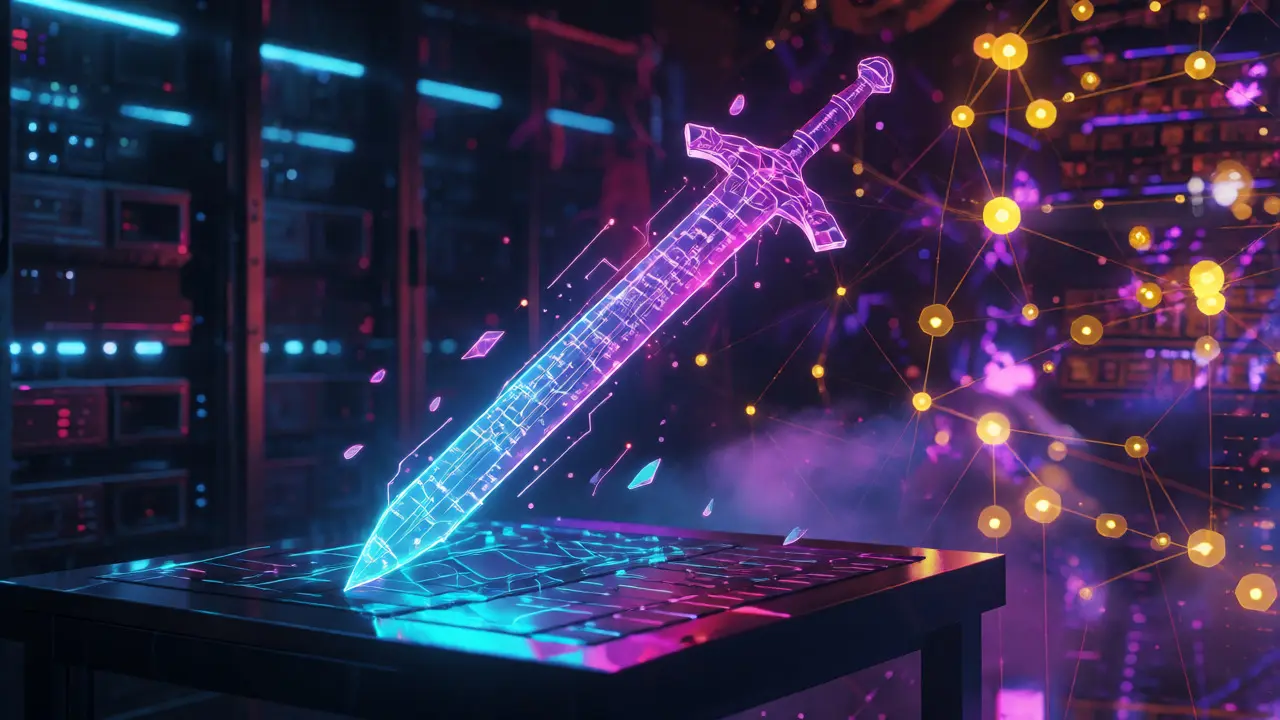
Remember when selling a sword in an online game meant handing over cash to a centralized server that could shut down anytime? That era is fading. For NFTs (Non-Fungible Tokens), the narrative has shifted from speculative JPEGs to practical tools that solve real problems for game studios. If you are a developer wondering whether blockchain integration is worth the headache, look at the numbers. The market isn't just about hype anymore; it's about sustainable revenue and player retention.
This guide breaks down exactly how NFTs change the economics of game development. We aren't talking about vague promises of "Web3 magic." We are looking at concrete mechanisms like royalty streams, asset portability, and community governance that directly impact your bottom line and design flexibility.
Key Takeaways
- Recurring Revenue: Smart contracts automate secondary sale royalties, providing income long after the initial purchase.
- Asset Portability: Interoperability allows assets to move between games, expanding your potential user base without massive marketing spend.
- True Ownership: Players invest more time and money when they truly own their items, boosting retention rates.
- New Design Mechanics: Dynamic NFTs enable programmable items that evolve based on player actions, creating unique gameplay loops.
- Community Governance: Token-based voting aligns player incentives with studio goals, reducing churn.
The End of One-Time Sales: Continuous Royalty Streams
In traditional gaming, once a player buys a skin or a weapon, the developer gets paid once. If that player sells the account or the item on a third-party marketplace, the developer sees zero profit. NFTs flip this model using smart contracts. When you mint an item as an NFT, you can code a royalty percentage-typically between 5% and 10%-into the token itself. Every time that item changes hands on any compatible marketplace, that fee goes straight back to you.
Consider a scenario where you launch a limited-edition avatar set. Initially, you sell 10,000 units. But if those avatars become popular, players will trade them among themselves for months or years. In a Web2 model, you miss out on all that volume. With NFTs, you earn on every transaction. This creates a predictable, scalable revenue stream that supports ongoing content updates and server costs, rather than relying solely on new user acquisition.
Interoperability: Breaking Down Walled Gardens
One of the biggest friction points in modern gaming is fragmentation. Your level 50 character in Game A cannot take their gear into Game B. NFTs built on standard blockchain protocols like Ethereum or Polygon solve this by making assets portable. An NFT is essentially a digital certificate of ownership that exists independently of the game server.
This portability opens up cross-platform utility. Imagine developing a strategy game where swords forged in your RPG can be used as decorative items in a social metaverse hub. You aren't just building a game; you are building an ecosystem. By allowing assets to travel, you tap into existing communities from other projects. This reduces user acquisition costs because players already have valuable assets invested in the broader network. They are more likely to try your new title if they can bring their favorite items along.
From Play-to-Earn to Play-to-Own
The early "Play-to-Earn" (P2E) models often failed because they treated gameplay as a job. Players grinded for tokens that crashed in value, leading to high churn. The mature approach now is "Play-to-Own" (P2O). Here, the focus shifts from earning money to owning valuable, scarce assets.
When players know they truly own their loot, their psychological investment changes. They treat the game less like a disposable app and more like a hobby with tangible value. Data from recent Web3 gaming titles shows that players with owned assets stay engaged longer. They participate in community discussions, suggest features, and defend the game’s reputation. This emotional and financial stake translates directly into higher retention metrics, which are crucial for long-term project viability.
Dynamic NFTs and AI-Driven Personalization
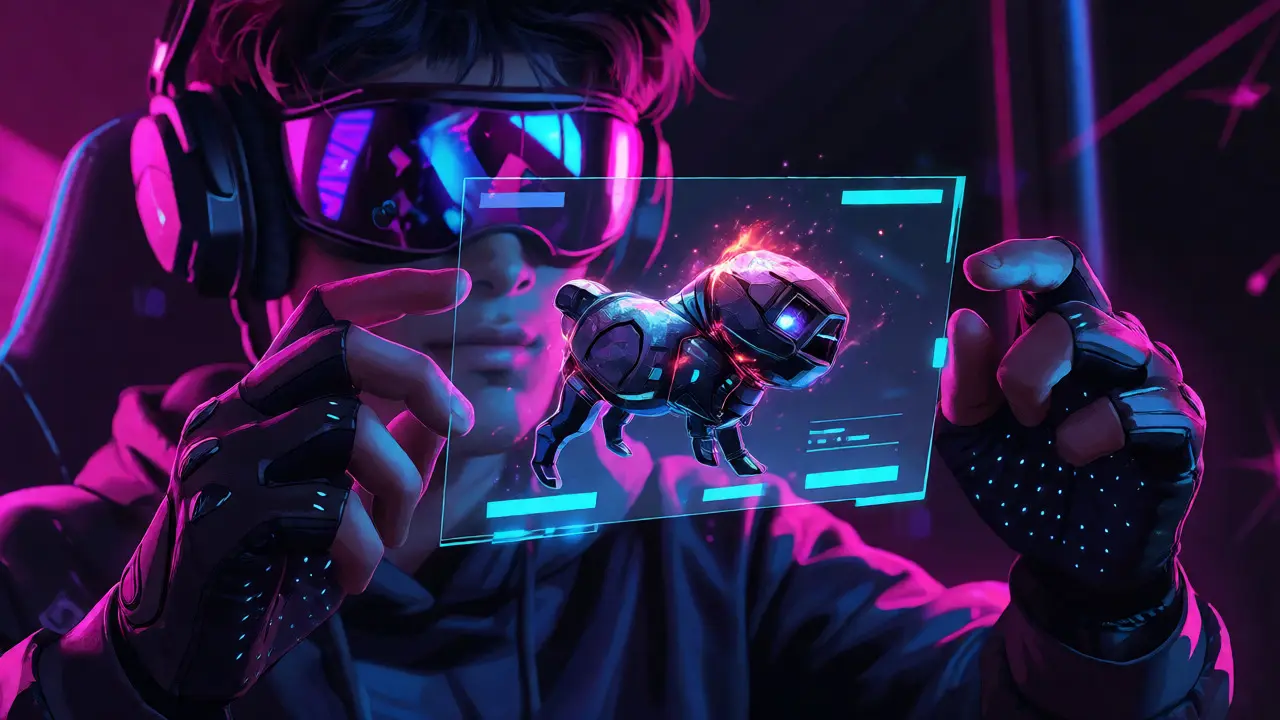
Static images are boring. The real power of NFT technology lies in its programmability. Developers can create dynamic NFTs that change appearance or attributes based on external data or player interactions. This is where artificial intelligence meets blockchain.
For example, a pet NFT could evolve visually based on how many hours the player spends training it. Or, a weapon could gain a rare glow if the player achieves a specific win streak. These changes happen on-chain, meaning they are permanent and verifiable. This allows for deep personalization. Two players might start with identical items, but after six months of different playstyles, their assets look completely different. This uniqueness fosters pride and attachment, driving players to interact with the game mechanics more frequently to see their assets evolve.
Building Community Through Decentralized Governance
Traditional game studios often struggle with toxic communities because players feel powerless. NFTs introduce a sense of shared ownership through Decentralized Autonomous Organizations (DAOs). By distributing governance tokens alongside NFTs, you give players a voice in the development roadmap.
Instead of guessing what features players want, you let them vote. Should the next update focus on PvP balance or new PvE dungeons? Let the community decide. This transparency builds trust. When players feel heard, they become brand ambassadors. They promote the game organically on social media because they have a vested interest in its success. This decentralized feedback loop helps developers avoid costly missteps and ensures the product evolves in line with actual user desires.
Technical Considerations and Implementation Costs
While the benefits are clear, integrating NFTs isn't free. It requires technical expertise in smart contract programming and blockchain security. You need to choose the right chain. Ethereum offers high security but high gas fees. Layer-2 solutions like Polygon or Arbitrum provide lower costs and faster transactions, which is critical for gaming where users make frequent small trades.
You also need to handle regulatory compliance. Anti-Money Laundering (AML) laws apply to crypto transactions. Ensure your platform verifies user identities where necessary. Don't underestimate the UX challenge. Hiding the complexity of wallets and gas fees behind a familiar interface is essential. If players need a degree in cryptography to buy a sword, you’ve lost them. Use custodial wallet solutions initially to smooth the onboarding process.
Comparison: Traditional vs. NFT Gaming Models
| Feature | Traditional Gaming | NFT-Based Gaming |
|---|---|---|
| Revenue Model | One-time sales, microtransactions | Sales + Secondary Market Royalties |
| Asset Ownership | Licensed access (can be revoked) | True digital ownership (portable) |
| Player Retention | Driven by entertainment value | Driven by entertainment + asset value |
| Interoperability | Walled garden (no cross-game use) | Cross-platform compatibility possible |
| Development Complexity | Standard backend/database | Smart contracts, blockchain nodes, security audits |
Future-Proofing with Metaverse Integration
The metaverse isn't just a buzzword; it's the natural destination for interoperable assets. As virtual worlds expand, the demand for portable identity and property grows. Games that adopt NFT standards today position themselves to plug into larger metaverse ecosystems tomorrow. Whether it's Decentraland, The Sandbox, or emerging platforms, having assets that adhere to open standards ensures your game remains relevant as the digital landscape evolves. You aren't just building a standalone app; you're building a node in a global network of virtual experiences.
Frequently Asked Questions
Do I need to be a crypto expert to develop NFT games?
No, but you need a team that understands smart contracts. Many platforms offer SDKs that abstract away the complex blockchain coding, allowing you to focus on game logic while handling the tokenization automatically.
How do NFT royalties actually work technically?
Royalties are coded into the smart contract governing the NFT. When a sale occurs on a supported marketplace, the contract automatically splits the payment, sending a predefined percentage to the creator's wallet before transferring the rest to the seller.
Are NFTs bad for the environment?
This concern applies mostly to Proof-of-Work chains like older versions of Bitcoin. Most modern gaming blockchains use Proof-of-Stake (like Ethereum post-merge, Polygon, Solana), which consumes 99% less energy, making them environmentally viable for mass adoption.
Can players lose their NFTs if my game shuts down?
They won't lose the token itself, as it lives on the blockchain forever. However, they may lose utility if no other game supports it. To mitigate this, design assets with broad visual appeal or partner with other developers to ensure cross-compatibility.
What is the biggest mistake developers make with NFTs?
Prioritizing speculation over gameplay. If the game isn't fun without the financial incentive, players will leave when the market cools. Always build a great game first, then add NFTs as an enhancement layer for ownership and economy.
Andy Hunns
September 18, 2026 AT 18:29Oh, here we go again with the savior complex. You claim these tokens solve problems but you are conveniently ignoring that they create a whole new set of them. It is just another way for corporations to extract more value from players who don't know better. The "hype" isn't gone; it has just changed shape and become more insidious.
Gary Schneeberger
September 20, 2026 AT 17:52Sure, let's pretend this isn't just a mechanism to monetize ownership twice. Because clearly, the industry needs another layer of complexity on top of already bloated game economies. I'm sure players will love paying gas fees to prove they own a sword that disappears when the server dies anyway.
Greeshma Umapathi
September 21, 2026 AT 20:20This is exactly what the industry needed! Finally, a breakdown that moves past the surface-level speculation and looks at actual utility. The point about dynamic NFTs evolving based on player actions is brilliant because it creates genuine emotional attachment rather than just financial speculation. We need more developers thinking like this instead of just slapping a logo on a JPEG!
Curtis Scott
September 23, 2026 AT 07:50Concise take: Royalties are good. UX is bad. Fix the wallet issue first.
Samantha Du-Cell
September 23, 2026 AT 12:17I am so tired of seeing US-centric articles assume everyone cares about Ethereum gas fees. Meanwhile, the rest of us are trying to figure out why our local markets aren't adopting this mess yet. It feels like another tech bubble being pumped up by people who have never played a video game in their lives.
Andy Hunns
September 25, 2026 AT 03:15Exactly! And look at how they gloss over the environmental impact until the end as an afterthought. They say Proof-of-Stake solves it, but do they really? Or is that just another narrative to keep the investors happy while the planet burns? I bet there's some hidden clause in those smart contracts that benefits the whales more than the players.
Gary Schneeberger
September 25, 2026 AT 04:42The environmental argument is dead. Get over it. But your cynicism is refreshing. It keeps the echo chamber honest. Though I doubt any studio will actually listen to reason if the token price goes up 10% overnight.
Kelsey Hartwig
September 26, 2026 AT 02:44One must consider the ontological implications of digital scarcity. If the asset exists independently of the server, does it retain its essence if the game logic changes? This article touches upon interoperability, yet fails to address the semantic fragmentation that occurs when assets move between disparate rule sets. A sword in one world may be a feather in another, rendering the concept of 'ownership' somewhat illusory.
William Newcombe
September 26, 2026 AT 06:13Precisely. The philosophical underpinning of Web3 gaming relies on the assumption that data integrity equals value, which is a category error. Value is derived from social consensus and utility, not merely cryptographic proof. Until developers understand this distinction, we remain stuck in a paradigm where technical capability outpaces design wisdom.
Zayda Hayes
September 27, 2026 AT 18:23I appreciate the balanced perspective here. While I agree that true ownership boosts retention, we must also acknowledge the steep learning curve for non-crypto natives. Perhaps integrating custodial wallets seamlessly, as suggested, is the key bridge. It allows users to benefit from the backend advantages without confronting the frontend friction immediately. That seems like a pragmatic approach to adoption.
Tish Dalton
September 28, 2026 AT 09:27Love this angle! Especially the part about community governance. When players feel heard, they stay. It's basic psychology but often ignored in traditional dev cycles. Has anyone seen specific metrics on churn reduction for DAO-governed games vs standard ones? Would love to dig into that data more!
Elizabeth Floyd
September 29, 2026 AT 11:56Hey! Great post. I was wondering about the regulatory side though. With AML laws tightening globally, how do small indie studios handle compliance without breaking the bank? Seems like a huge barrier to entry for smaller teams wanting to experiment with this tech.
Tim Soefje
October 1, 2026 AT 08:52Indies usually use third-party compliance APIs or stick to L2 chains with simpler KYC integrations. It's annoying, sure, but cheaper than hiring a legal team. Just don't expect it to be seamless out of the box.
Emily Sue
October 3, 2026 AT 07:07omg yes!! the play-to-own thing is so much better than grinding for pennies. i quit axie infinity cause it felt like work lol. if my items actually matter and dont crash in value every week id probably stay longer. just wish the graphics were better in most of these web3 games tho
Jennifer Phipps
October 4, 2026 AT 03:52You're absolutely right about the grind fatigue! 😃 The shift to Play-to-Own is crucial for mental health too. No more feeling like you're failing a job simulation. Focus on fun first, finance second! 🚀 Keep playing those games that respect your time!
Ryan Abenoja
October 4, 2026 AT 08:51It’s all coming together nicely. Once the UI gets invisible and the transactions happen in the background nobody notices it's blockchain anymore. That’s the win condition. Not the whitepapers but the smooth experience.
Glenn Watts
October 5, 2026 AT 09:25And if American companies don't lead this charge, who will? China? Europe? No way. We invented the internet, we invented gaming, and we'll dominate this next wave too. These royalties should flow back to US developers to keep our economy strong. Don't let foreign competitors steal our IP through decentralized loopholes.
Henry Vendiola
October 6, 2026 AT 14:10Understood. Hope it works out.