
What Makes Tokenomics "Good"?
Tokenomics isn’t just about how many coins exist. It’s about how those coins move, who controls them, and why they have value. A good tokenomics model doesn’t rely on hype. It builds real demand through smart design. Think of it like a business: if your product only sells because people think it’ll go up in price, it’s not sustainable. But if people need it to use the service, and the system rewards them for using it, that’s a solid foundation.
According to CoinGecko’s 2025 report, projects with strong tokenomics are 63% more likely to survive bear markets. That’s not luck. It’s design. The best models share four traits: transparent supply rules, real utility, fair distribution, and deflationary pressure tied to actual usage.
Ethereum: The Gold Standard
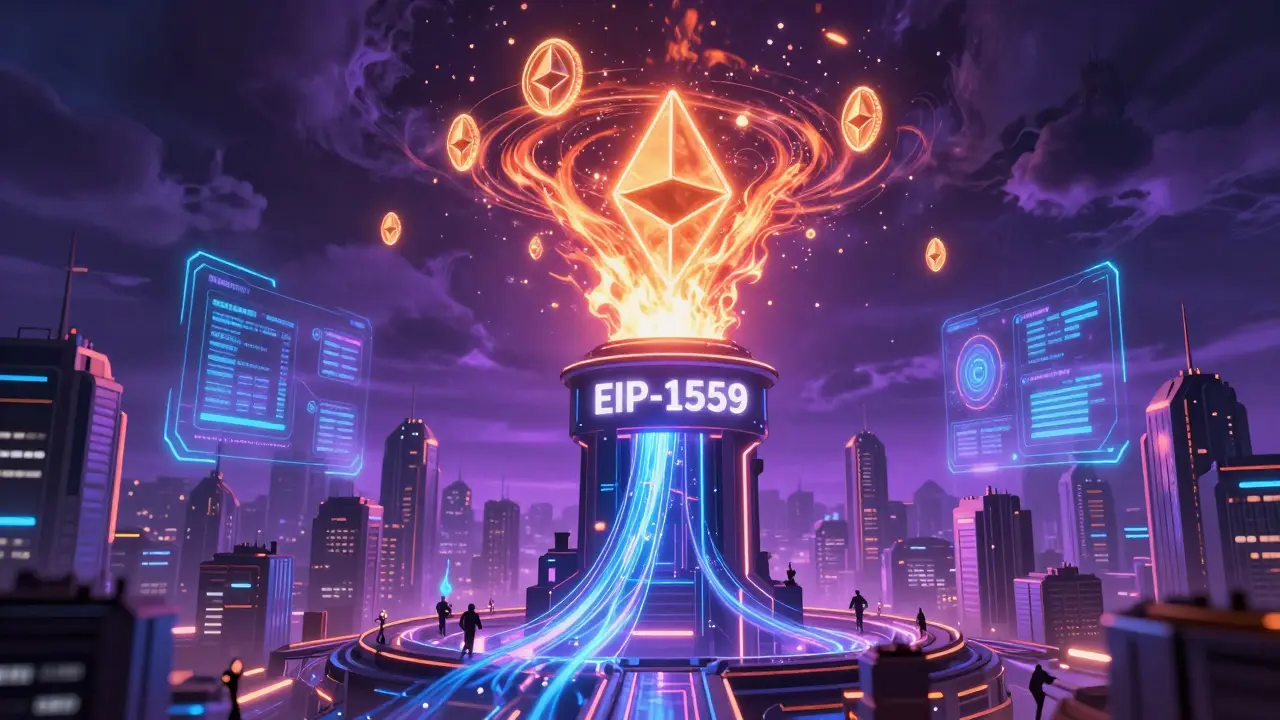
Ethereum changed everything in 2021 with EIP-1559. Before that, every transaction fee went to miners. After? Most of it got burned. That means fewer ETH in circulation over time. As of October 2025, over 4.1 million ETH have been destroyed-worth $12.8 billion. That’s not a marketing gimmick. It’s built into every transaction.
Ethereum’s tokenomics works because it’s tied to real demand. Over 4,852 DeFi protocols run on it. Every time someone swaps tokens, locks funds, or mints an NFT, ETH is used. That creates natural scarcity. The supply isn’t capped, but the burn rate often outpaces new issuance. In 2024, ETH was deflationary for 212 days. That’s rare in crypto.
Its Tokenomics Health Score is 92/100-the highest in the industry. Why? No single entity controls the supply. No team has a massive dump waiting. And the community drives its use. It’s not perfect, but it’s the closest thing to a well-oiled machine.
Binance Coin: Predictable Burns That Matter
BNB’s model is simple: quarterly burns. Every three months, Binance takes a portion of its profits and destroys BNB tokens. As of July 15, 2025, they’ve burned over 20.6 million BNB. The total supply dropped from 200 million to just under 129 million. That’s a 35.6% reduction since launch.
What makes this work? Transparency. The burns are scheduled. The amount is public. You can watch it happen on Binance’s official burn tracker. Users don’t need to guess whether BNB will go up. They know the supply is shrinking. And because BNB is used to pay trading fees, get discounts, and access exclusive launches, demand stays high.
Its score? 85/100. Critics say it’s too centralized. But for users, the predictability matters more than ideology. On Reddit, over 2,800 users upvoted a post saying, “The predictability of BNB burns makes it one of the few tokens where supply reduction is transparent and verifiable.” That’s trust built through action.
Avalanche: Triple Burn, Triple Impact
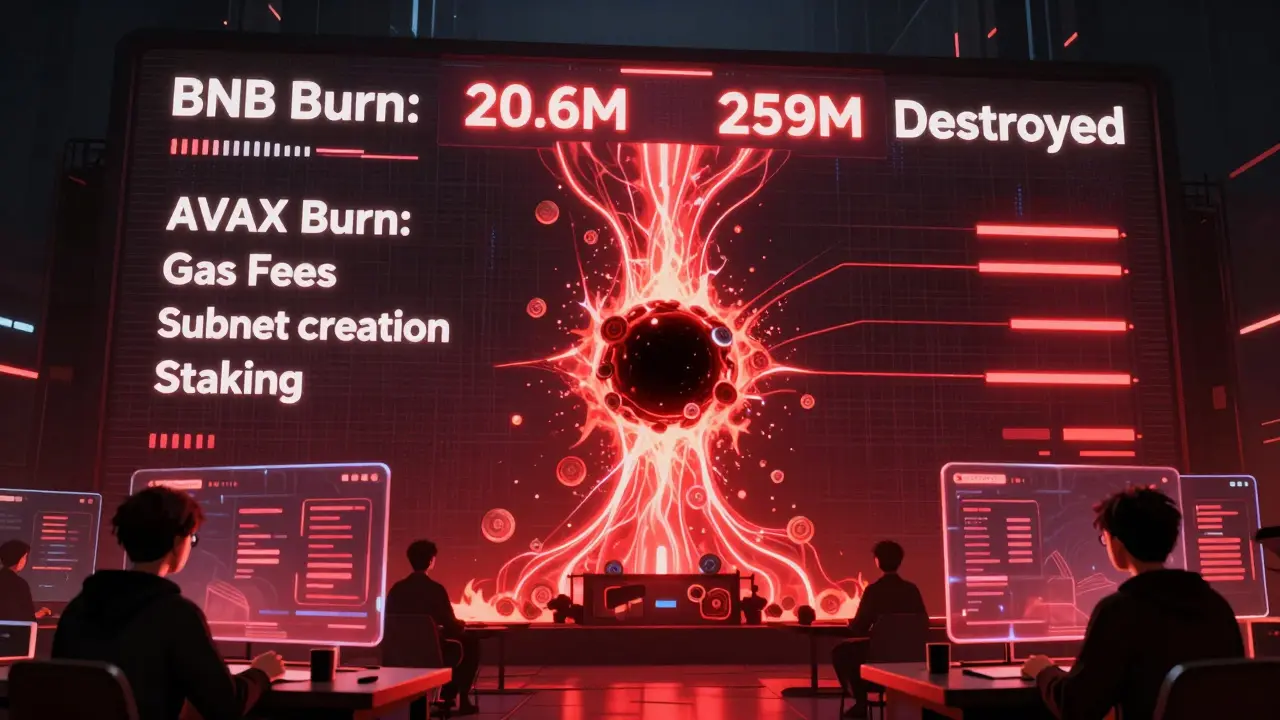
Avalanche (AVAX) doesn’t just burn tokens from transaction fees. It burns them three ways:
- Gas fees paid to validators
- Creating new subnets
- Staking to secure the network
Since its 2020 launch, 36% of the total supply has been destroyed. That’s 259 million AVAX gone. As of September 2025, the circulating supply is down 1.2% per year. That’s deflationary pressure you can measure.
Its hard cap is 720 million AVAX. No more will ever be created. And unlike some projects that burn tokens as a PR stunt, Avalanche’s burns are baked into its core mechanics. If you want to build a custom blockchain on Avalanche, you pay in AVAX-and that AVAX disappears. That’s not a feature. It’s a rule.
With a score of 89/100, it’s second only to Ethereum. Analysts praise it because the token’s value isn’t just tied to speculation. It’s tied to infrastructure usage. The more networks built on AVAX, the more tokens get burned. It’s a self-reinforcing loop.
Solana: Speed Over Stability?
Solana’s tokenomics is a mixed bag. On one side, it’s blazing fast. It handles 65,000 transactions per second at $0.00025 each. In Q2 2025, it processed 1.2 billion monthly transactions. That’s real usage.
But its inflation model is shaky. The max supply is 555 million SOL. Annual inflation started at 8% and is slowly dropping to 1.5% over eight years. As of late 2025, it’s still at 5.1%. That means new SOL is being added faster than burns can offset it. One Reddit user calculated that this inflation has diluted long-term holders by $1.2 billion since launch.
Worse, 42.7% of all SOL is held by the foundation and early investors. That’s a huge concentration risk. If they sell, the price crashes. But here’s the twist: Solana’s community is growing. Memecoins, DeFi apps, and NFT projects are flooding in. That demand might outweigh the inflation.
Its score is 80/100. It’s not the cleanest model, but it’s the most active. A community vote in November 2025 will decide if SOL 2.0 reduces inflation further and adds fee burning. If it passes, Solana’s tokenomics could leap into the top tier.
Hyperliquid: The Anti-ICO
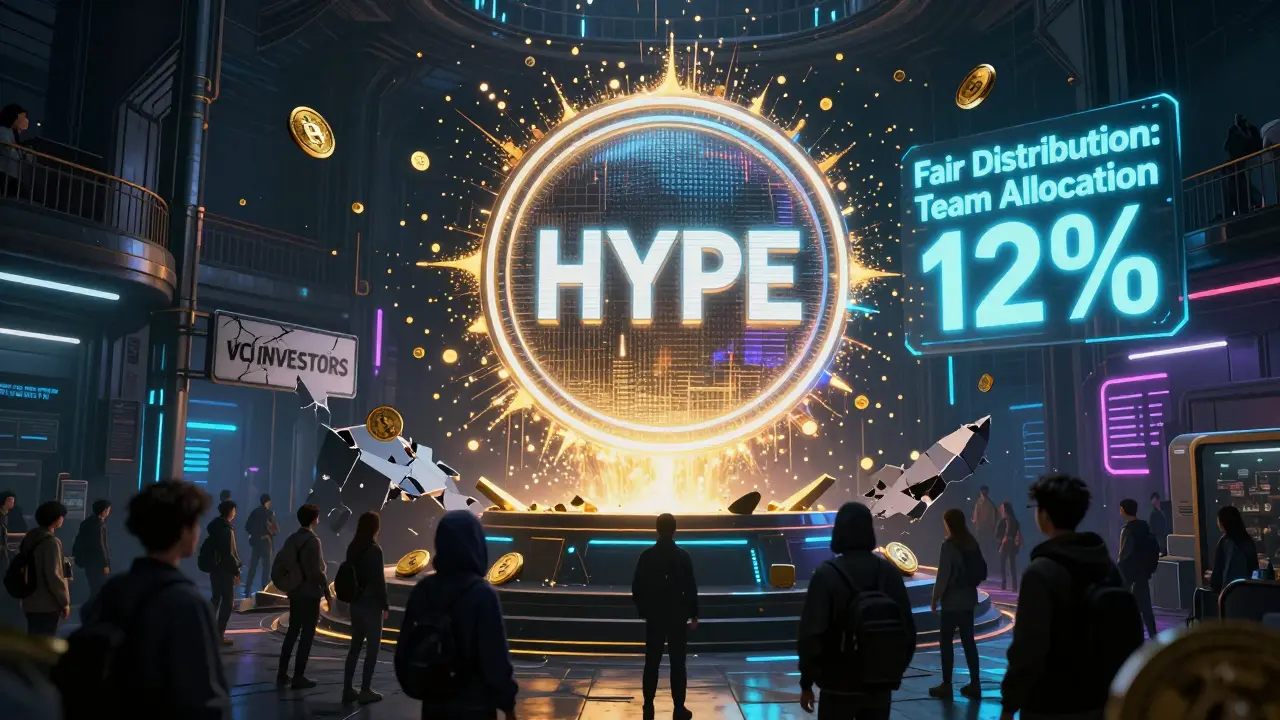
Most tokens start with VCs. Hyperliquid did the opposite. In November 2024, it launched with a 1 billion HYPE cap-and gave away 76.3% of it (763 million tokens) directly to users via airdrop. Team allocation? Just 12%. Ecosystem fund? 11.7%. No venture capital took a cut.
This isn’t marketing. It’s a structural shift. Instead of rewarding insiders, it rewarded early users. The result? A decentralized, distributed holder base. No single entity can dump the token. No private sale created a massive sell wall.
It’s not the biggest project, but its tokenomics is a textbook example of fairness. According to Messari’s grading system, projects with team allocations under 15% score significantly higher on trust metrics. Hyperliquid nailed it. And users noticed. Trading volume jumped 300% in three months. People don’t just buy tokens. They buy into fair systems.
What to Avoid
Bad tokenomics has a pattern:
- Team allocations over 20%
- Short vesting periods (under 12 months)
- Burns that aren’t real or aren’t tracked
- Utility that’s just a promise (“We’ll add it later”)
- Supply with no cap or inflation control
Remember the project in September 2024 that lost 98% of its value? It had 70% of tokens locked for the team with a 3-month cliff. As soon as those tokens unlocked, the price collapsed. That’s not a market correction. That’s bad design.
According to CoinGecko’s 2025 survey, 68% of investors say fair distribution is their top priority. Not price. Not hype. Who holds the tokens matters more than you think.
What’s Next?
Tokenomics is evolving fast. EigenLayer lets users restake ETH to secure multiple chains-creating new value flows. Chainlink’s CCIP 2.0 burns 10% of oracle fees. Ripple is now burning XRP used in RippleNet transactions. These aren’t gimmicks. They’re upgrades that tie token value directly to network activity.
By 2027, Gartner predicts 90% of new tokens will have multiple deflationary mechanisms. That’s a huge shift from 2020, when most tokens were just “sell more, hope for more.”
The future belongs to projects that make their token useful-not just tradable. If you’re evaluating a new coin, ask: Does this token solve a real problem? Is its supply shrinking because of usage? Are the holders aligned with the project’s success? If yes, it might just last.
What is the most important part of good tokenomics?
The most important part is alignment between token utility and real demand. A token that’s only used for speculation will collapse when hype fades. The best models tie token value to actual usage-like paying fees, securing the network, or accessing services. If people need the token to use the product, its value becomes sustainable.
Are token burns really effective?
Yes-but only if they’re tied to real revenue. BNB’s burn works because it uses Binance’s profits. Avalanche’s burn works because it destroys tokens every time someone uses the network. But if a project burns tokens randomly, with no source of income behind it, it’s just a PR move. Real burns reduce supply permanently. Fake burns don’t change anything.
How do I check if a token’s burn is real?
Look for a public, verifiable burn address. Most serious projects use a burned wallet (like 0x0000...dead) and show every transaction on-chain. Check Etherscan or Solana Explorer. If the project doesn’t link to a blockchain explorer or uses a private wallet, it’s not transparent. Also, look for third-party audits. The Ethereum Foundation’s 2025 verification protocol is now used by 78% of top 100 projects.
Is a capped supply better than an uncapped one?
Not necessarily. A capped supply creates scarcity, but if no one uses the token, it’s worthless. Ethereum has no cap, but it burns more than it issues. AVAX has a cap and burns tokens. Both work. The key isn’t the cap-it’s whether the supply is shrinking due to demand. A capped supply with no utility is just a static number. An uncapped supply with strong burns and usage can be deflationary.
Why do some tokens with great tokenomics still crash?
Because tokenomics isn’t everything. Market sentiment, regulation, competition, and team execution matter too. A token can have perfect economics but still fail if the product is buggy, the team leaves, or regulators shut it down. Tokenomics reduces risk-it doesn’t eliminate it. Think of it like a car: good fuel efficiency helps, but if the engine explodes, you’re still stranded.
Oliver James Scarth
February 7, 2026 AT 17:04Kieren Hagan
February 8, 2026 AT 08:17sachin bunny
February 9, 2026 AT 17:14Olivette Petersen
February 11, 2026 AT 01:41Michelle Anderson
February 11, 2026 AT 06:04Paul Gariepy
February 12, 2026 AT 17:35Molly Andrejko
February 13, 2026 AT 13:14perry jody
February 14, 2026 AT 00:30Paul Jardetzky
February 15, 2026 AT 08:29mahikshith reddy
February 16, 2026 AT 15:09Brendan Conway
February 17, 2026 AT 13:57Katie Haywood
February 19, 2026 AT 02:06Matt Smith
February 19, 2026 AT 20:23orville matibag
February 21, 2026 AT 15:55Josh Flohre
February 22, 2026 AT 04:09laura mundy
February 22, 2026 AT 11:13David Bain
February 22, 2026 AT 21:48Alisha Arora
February 24, 2026 AT 15:51Michael Sullivan
February 25, 2026 AT 17:44Reda Adaou
February 26, 2026 AT 14:12